Wisdom teeth
Wisdom teeth removal in Dawsonville
Wisdom teeth removal is a short outpatient surgery to take out third molars that are impacted, crowded, decayed or infected. At North Georgia Oral Surgeon in Dawsonville, Dr. Abtin Shahriari checks your wisdom teeth with 3D imaging, tells you whether they need to come out, and offers local anesthesia, nitrous oxide or IV sedation.
Who it is for
Signs your wisdom teeth need a look.
Some wisdom teeth come in straight and cause no trouble. Others stay trapped under the gum or grow in at an angle. An exam tells you which group you are in. Coming from Gainesville or elsewhere in Hall County? Here is how visits work.
- Pain, swelling or a bad taste near the back of your jaw
- Gum tissue that keeps getting inflamed over a partly erupted tooth
- Your dentist sees an impacted or sideways wisdom tooth on an X-ray
- Cavities or gum disease on the wisdom tooth or the molar in front of it
- Your orthodontist or dentist wants them evaluated before or after braces
How it works
How wisdom teeth removal works.
Most people are in and out of the office the same morning or afternoon.
Exam and imaging
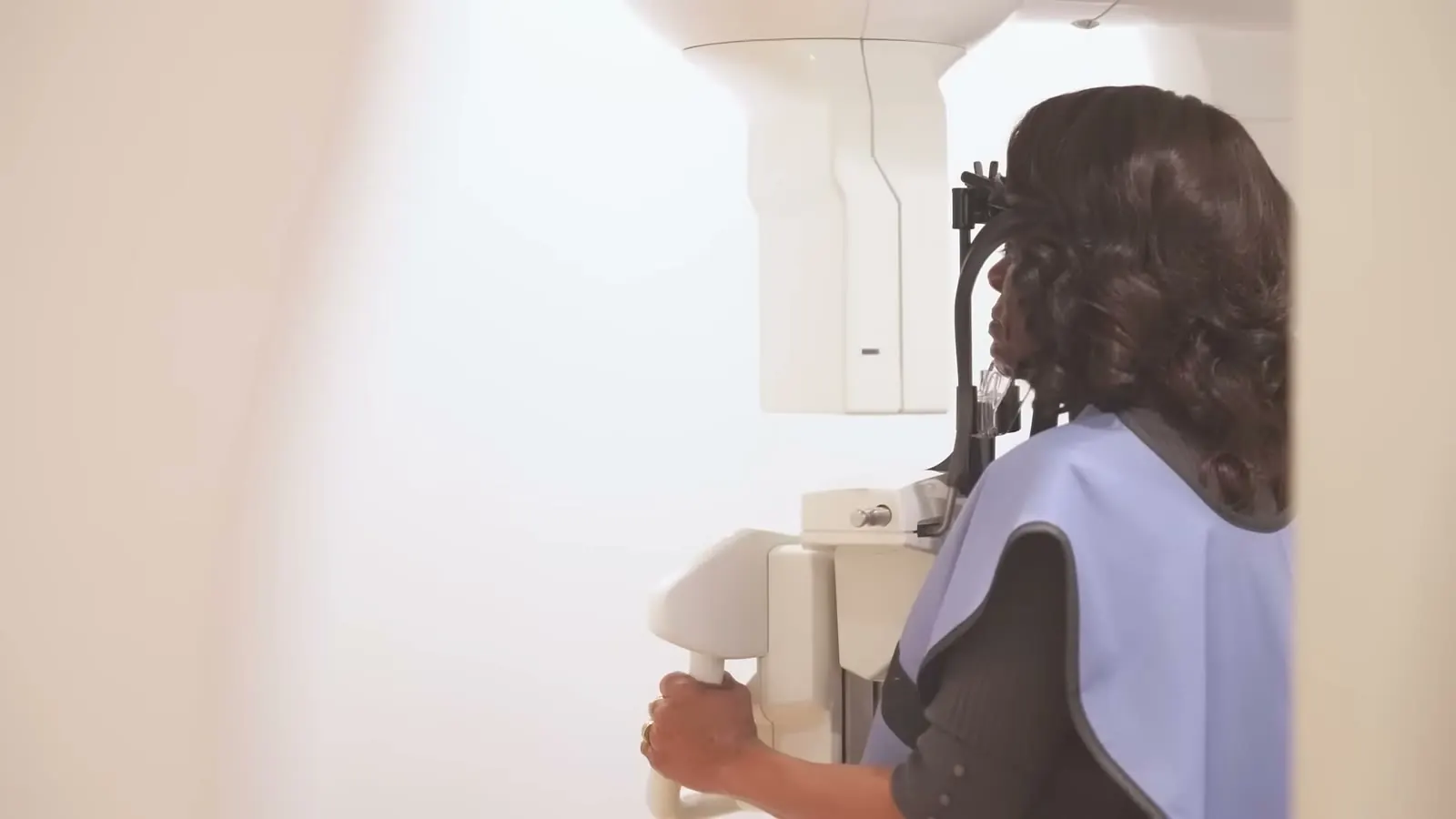
Dr. Abtin reviews your X-rays and, when roots sit close to the nerve or sinus, takes a 3D cone beam CT scan to map them.
Your plan
You talk through whether removal makes sense now, how many teeth are involved and which sedation option fits you.
Surgery day
After the area is numb and any sedation takes effect, each tooth is removed, sometimes in sections, and the site is closed.
Home the same day
You rest for a short time in the office, then go home with gauze, written instructions and a number to call.

Recovery
How long does wisdom teeth recovery take?
Expect swelling and soreness that build over the first two to three days, then ease. Many people return to school or desk work within a few days, though it varies with how many teeth were removed and how deep they sat.
Stick to soft foods, keep your head raised, and use ice on the cheeks during the first day. Avoid straws, smoking and hard rinsing early on, since they can disturb the blood clot that protects the socket.
Possible risks
- Dry socket, when the blood clot in a socket breaks down early and an ache starts a few days after surgery
- Numbness or tingling of the lip, chin or tongue when a lower root sits close to a nerve. It is usually temporary and rarely lasting.
- Infection, bleeding or swelling that needs another visit
- A stiff, sore jaw for a few days from holding the mouth open
Dr. Abtin goes over the risks that apply to you, and how they are lowered, before you decide on surgery.
Sedation options
Comfort, your way.
IV sedation is a common choice for wisdom teeth, especially when more than one tooth is impacted. With IV sedation, an adult needs to take you home afterward.
- Option for this procedure
Local anesthesia
Numbs the area being treated. You are awake, and you feel pressure but not sharp pain.
- Option for this procedure
Nitrous oxide
A gas you breathe through a small mask. It takes the edge off nerves and wears off within minutes after the mask comes off.
- Option for this procedure
IV sedation
Medicine given through a vein places you in a deeply relaxed, sleep-like state. Most people remember little of the procedure. You need an adult to drive you home.
Insurance and cost
Does insurance cover wisdom teeth removal?
Dental insurance often covers part of wisdom tooth removal, and medical insurance sometimes applies when a tooth is deeply impacted or tied to an infection. Ask the team what your plan is likely to cover before surgery, so the cost is clear before your appointment.
Related care
You may also want to read.
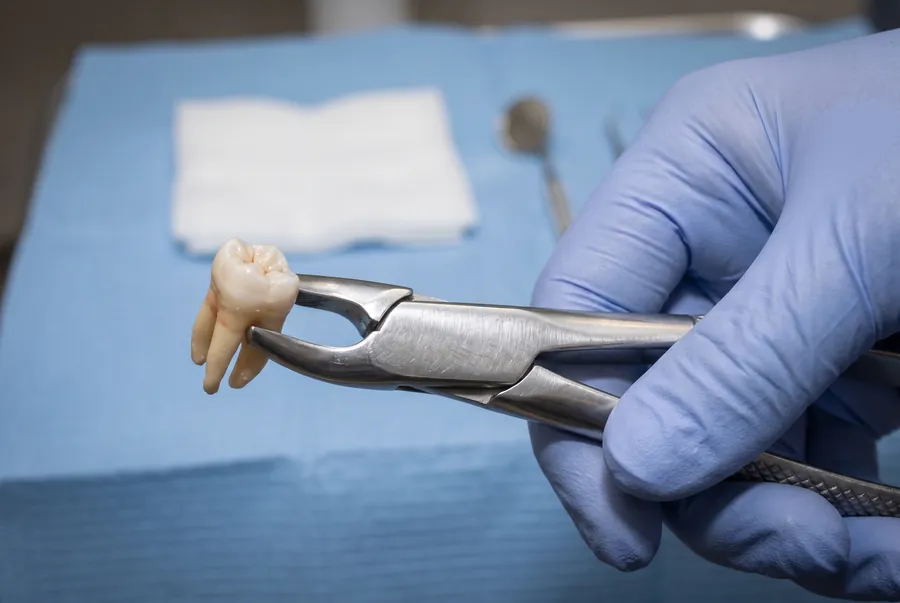
Tooth extractions
Simple and surgical extractions, including teeth your orthodontist asks to have removed.
Learn more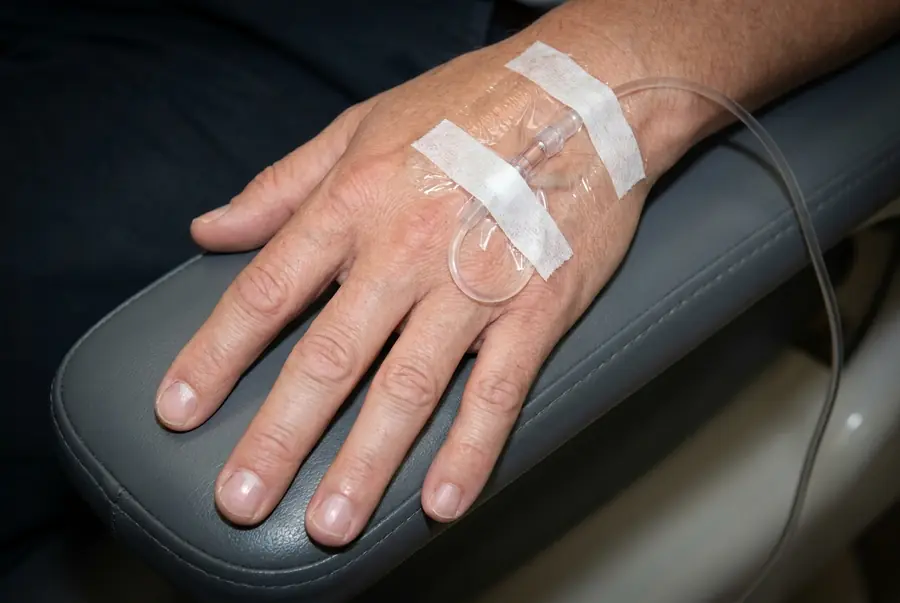
Sedation and anesthesia
Options from nitrous oxide to IV sedation, matched to you and your procedure.
Learn more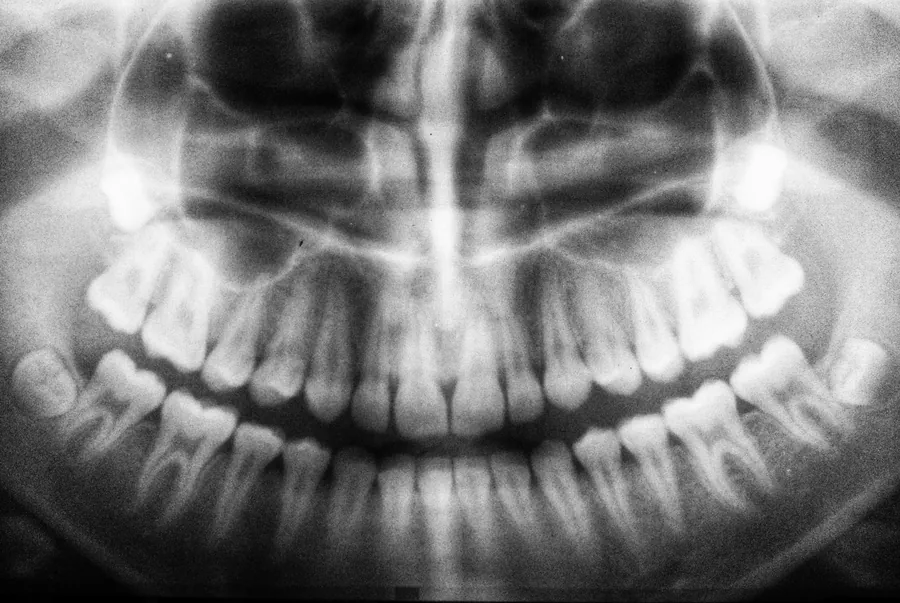
Impacted teeth exposure
Finding and uncovering a tooth stuck in the bone, and planning how it comes into place.
Learn more
Sources for patients
- Wisdom teeth management AAOMS (MyOMS.org)
- Wisdom teeth ADA MouthHealthy
- Dry socket ADA MouthHealthy
- Impacted tooth MedlinePlus, U.S. National Library of Medicine
General information from patient education pages by the organizations above. Page updated November 6, 2026.
Ready when you are
Talk with the team today.
Ask a question, ask about your insurance or book a consultation with Dr. Abtin at the Dawsonville office.