Emergency care
Emergency oral surgery: call first
Emergency oral surgery means prompt care for problems like a spreading tooth infection, facial swelling, a broken or knocked-out tooth, or an injury to the mouth or jaw. If this happens to you, call North Georgia Oral Surgeon in Dawsonville first, and the team will tell you how soon Dr. Abtin Shahriari can see you.
Who it is for
Urgent problems we treat.
These problems should not wait for a routine appointment. Call the office and describe what is happening.
- Swelling in the face, jaw or gums, especially with fever
- A severe toothache or a tooth infection that is getting worse
- A tooth that is knocked out, loosened or broken below the gumline
- An injury to the jaw, lips, tongue or inside of the mouth
- Bleeding, increasing pain or swelling after a recent extraction elsewhere

How it works
What to do, in order.
A few calm steps protect your health and improve the odds of saving a damaged tooth.
Check for danger signs
If swelling makes it hard to breathe or swallow, or there is heavy bleeding or a head injury, call 911 or go to an emergency room now.
Call the office
Otherwise, call (706) 969-7664. The team asks what happened and tells you how soon Dr. Abtin can see you.
Exam and imaging
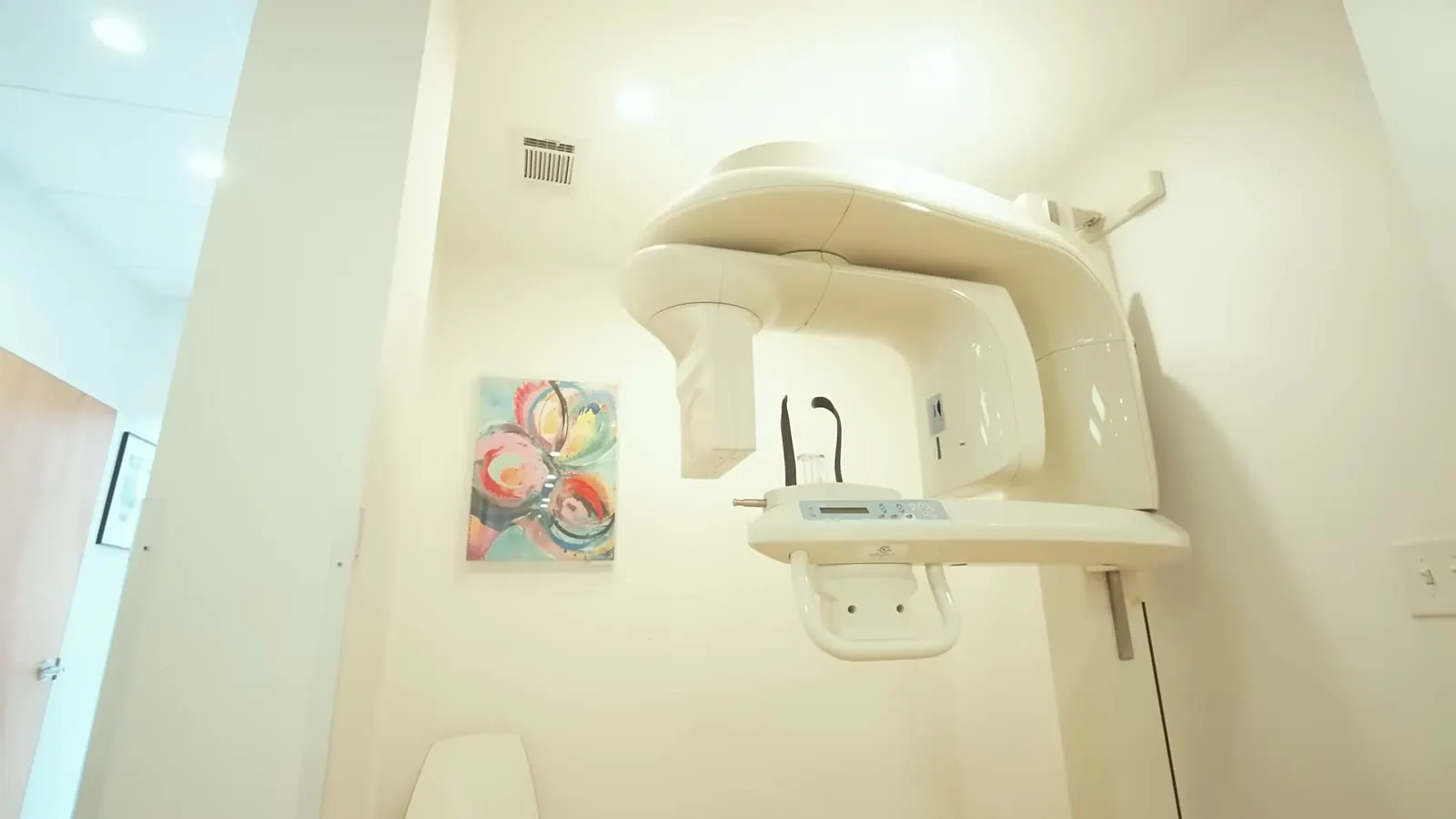
Dr. Abtin examines the area and takes X-rays or a 3D scan to find the source of the problem.
Treatment
Depending on the cause, care may include draining an infection, removing a tooth, repositioning a tooth or repairing an injury.
Recovery
What happens after urgent treatment?
Most people feel relief soon after an infection is drained or a damaged tooth is treated, though some soreness is common for a few days. If antibiotics or other medicines are prescribed, take the full course exactly as directed.
Keep your follow-up visit even if you feel better. An emergency visit often solves the immediate problem, and a plan for the longer term, such as replacing a lost tooth, can come next.
Why urgent problems should not wait
- A tooth infection can spread to the jaw, face or neck
- The chance of saving a knocked-out tooth drops the longer the tooth is out of the mouth
- Pain medicine can hide a problem that is getting worse
If you are not sure whether your problem is urgent, call the office and describe what is happening.
Sedation options
Comfort, your way.
Many urgent problems are treated with local anesthesia. Nitrous oxide or IV sedation may be options depending on the treatment, your health and whether you have eaten.
- Option for this procedure
Local anesthesia
Numbs the area being treated. You are awake, and you feel pressure but not sharp pain.
- Option for this procedure
Nitrous oxide
A gas you breathe through a small mask. It takes the edge off nerves and wears off within minutes after the mask comes off.
- Option for this procedure
IV sedation
Medicine given through a vein places you in a deeply relaxed, sleep-like state. Most people remember little of the procedure. You need an adult to drive you home.
Insurance and cost
Does insurance cover emergency care?
Urgent oral surgery is often partly covered by dental insurance, and injuries may be billed to medical insurance. In a true emergency, care comes first. Ask the team what your plan is likely to cover once you are seen.
Related care
You may also want to read.

Facial trauma
Repair of injuries to the teeth, jaws and facial bones.
Learn more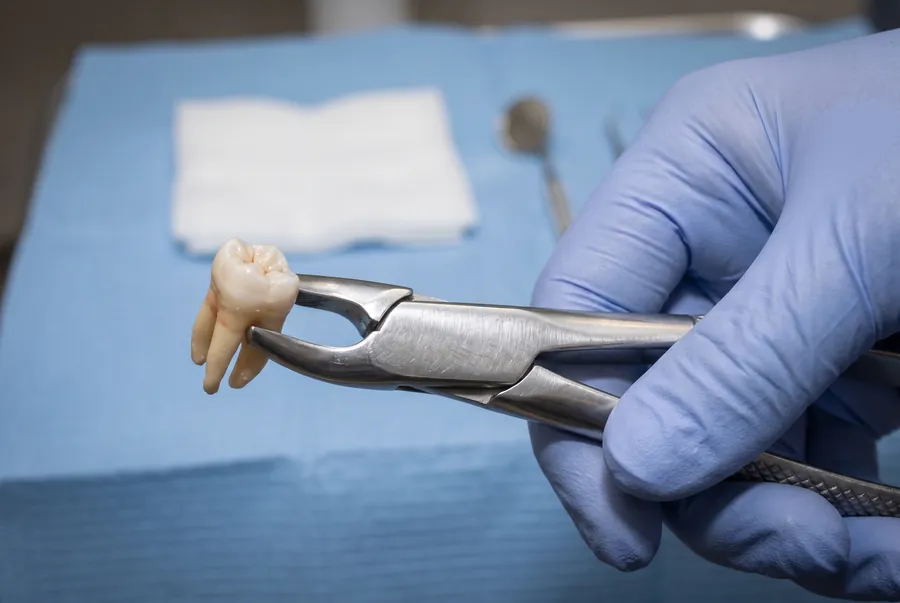
Tooth extractions
Simple and surgical extractions, including teeth your orthodontist asks to have removed.
Learn more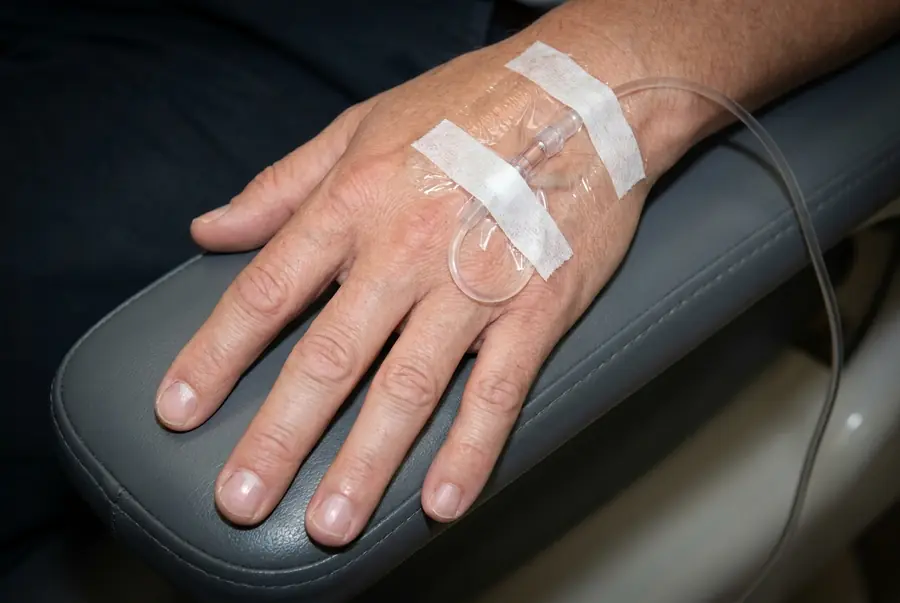
Sedation and anesthesia
Options from nitrous oxide to IV sedation, matched to you and your procedure.
Learn more
Sources for patients
- Dental emergencies ADA MouthHealthy
- Facial injury and trauma surgery AAOMS (MyOMS.org)
- Tooth disorders MedlinePlus, U.S. National Library of Medicine
General information from patient education pages by the organizations above. Page updated November 6, 2026.
Ready when you are
Talk with the team today.
Ask a question, ask about your insurance or book a consultation with Dr. Abtin at the Dawsonville office.