Facial trauma
Facial trauma care in Dawsonville
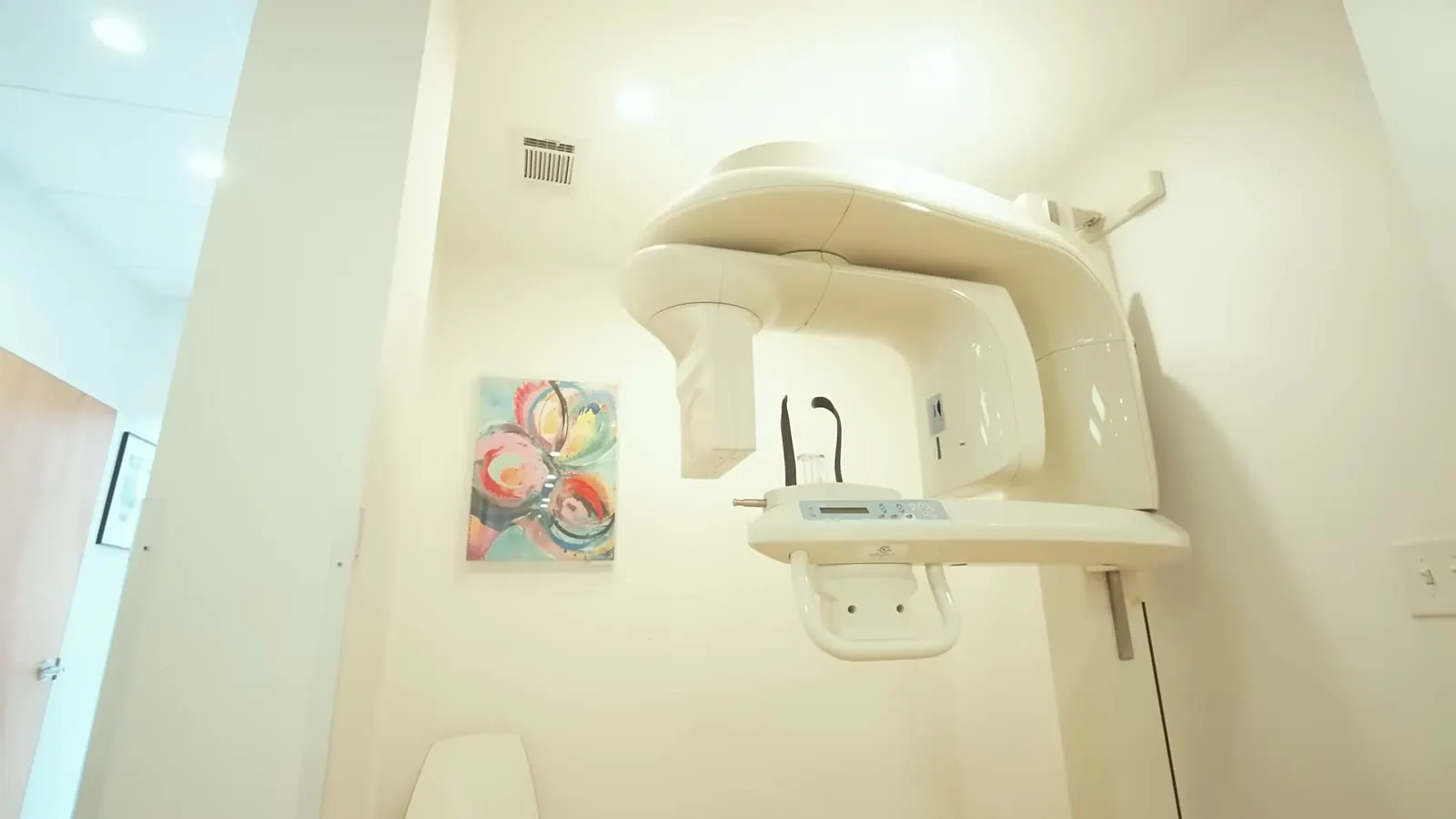
Facial trauma care treats injuries to the teeth, jaws, cheekbones and soft tissues of the mouth and face after a fall, a sports collision or an accident. In Dawsonville, Dr. Abtin Shahriari examines the injury, uses 3D imaging to see the bones and treats many injuries at the office, drawing on years of trauma surgery at Level 1 trauma centers. For a complex fracture, he explains at your visit where the repair will take place.
Who it is for
Injuries that need a surgeon.
If you or your child was hurt in the face or mouth and the injury is not life-threatening, an oral and maxillofacial surgeon is the right person to examine it.
- A tooth that was knocked out, pushed out of place or broken near the gumline
- Your bite feels different, or your teeth no longer meet the way they did
- Pain, swelling or numbness over the jaw, cheekbone or around the eye
- Cuts to the lips, tongue, gums or inside of the cheek that need closing
- You were seen in an emergency room and told to follow up with an oral surgeon
How it works
How injury care unfolds.
Serious injuries come first. Once you are stable, the focus turns to restoring how your face works and looks.
Call the office
Describe what happened. The team tells you how soon Dr. Abtin can see you and what to do in the meantime.
Exam and imaging
Dr. Abtin examines your face, teeth and bite and takes a 3D scan when he needs to see the bones in detail.
Repair
Depending on the injury, he may reposition teeth, close cuts with careful stitches or stabilize broken bones so they heal in line.
Follow-up
You return for checks while you heal, and Dr. Abtin coordinates with your dentist if teeth need further care.
Recovery
How long does a facial injury take to heal?
Recovery depends on what was injured. A repaired cut inside the lip may feel better within days, while a fractured jaw often needs weeks on a soft diet. Dr. Abtin explains your timeline once he knows the full extent of the injury.
Use cold packs early on, keep the area clean as instructed and protect it from another bump. Teeth that were moved or knocked out may need your dentist's care later, even if they feel fine.
Possible risks
- Infection, especially after cuts inside the mouth or a fracture that breaks the skin or gum
- Numbness of the cheek, lip or chin where a nerve was injured
- Teeth hurt in the injury may later need a root canal or removal, even if they feel fine at first
- A visible scar after a cut to the face or lip
Dr. Abtin goes over the risks that apply to you, and how they are lowered, before you decide on surgery.
Sedation options
Comfort, your way.
Small repairs are often done with local anesthesia. More involved repairs may call for IV sedation. Dr. Abtin recommends an option once he has examined the injury.
- Option for this procedure
Local anesthesia
Numbs the area being treated. You are awake, and you feel pressure but not sharp pain.
- Option for this procedure
Nitrous oxide
A gas you breathe through a small mask. It takes the edge off nerves and wears off within minutes after the mask comes off.
- Option for this procedure
IV sedation
Medicine given through a vein places you in a deeply relaxed, sleep-like state. Most people remember little of the procedure. You need an adult to drive you home.
Insurance and cost
Does insurance cover facial injury care?
Injuries to the face and jaw are often billed to medical insurance, and dental insurance may help with damaged teeth. If the injury involved an accident claim, let the team know. Ask what your plan is likely to cover before treatment when timing allows.
Related care
You may also want to read.
Emergency oral surgery
Prompt care for swelling, infection, broken teeth and mouth injuries.
Learn more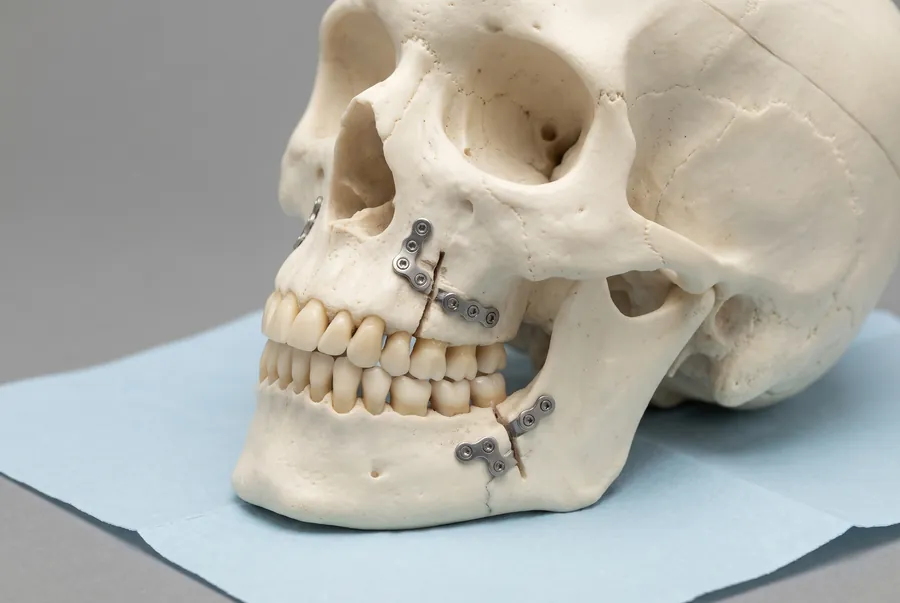
Jaw surgery
Corrective surgery to bring the upper and lower jaws into better alignment.
Learn more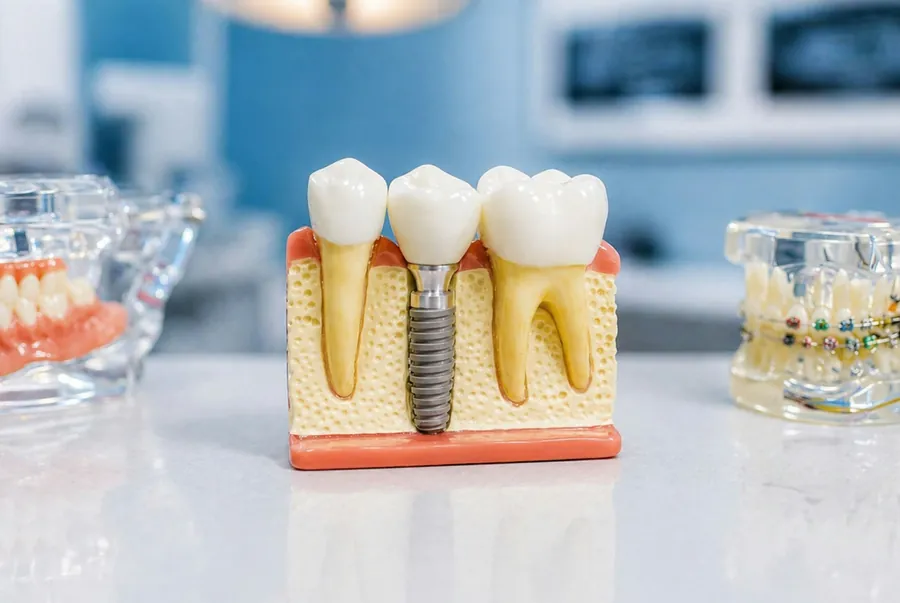
Single tooth implants
One missing tooth replaced with an implant, planned in 3D and placed by Dr. Abtin.
Learn more
Sources for patients
- Facial injury and trauma surgery AAOMS (MyOMS.org)
- Facial trauma MedlinePlus, U.S. National Library of Medicine
- Dental emergencies ADA MouthHealthy
- Mouthguards ADA MouthHealthy
General information from patient education pages by the organizations above. Page updated November 6, 2026.
Ready when you are
Talk with the team today.
Ask a question, ask about your insurance or book a consultation with Dr. Abtin at the Dawsonville office.