Sedation
IV sedation for oral surgery, chosen with you
Sedation helps you stay comfortable and calm during oral surgery. At North Georgia Oral Surgeon in Dawsonville, Dr. Abtin Shahriari offers options from local anesthesia and nitrous oxide to IV sedation, and recommends one based on your health history, how anxious you feel and the procedure you are having.
Who it is for
Sedation can help if.
Some people feel fine with numbing alone. Others prefer more support. There is no wrong answer, only the one that suits your health and your procedure.
- You feel nervous about dental or surgical visits, or have had a hard experience before
- You are having several teeth removed, or a longer procedure such as implant surgery
- You have a strong gag reflex or find it hard to sit still for long periods
- Numbing medicine has been slow to work for you in the past
- You simply want to remember as little of the procedure as possible

How it works
How sedation is planned.
Safety starts with a careful review of your health, long before surgery day.
Health review
At your consultation, Dr. Abtin asks about your medical conditions, medicines, allergies and past experiences with anesthesia.
Choosing an option
He explains local anesthesia, nitrous oxide and IV sedation for your procedure, and you decide together.
Preparing at home
For IV sedation, follow the fasting instructions you are given, wear loose clothing with short sleeves and arrange an adult to drive you.
Surgery day
You receive the sedation you chose, and Dr. Abtin explains at your consultation how you are looked after during and after the procedure.

Recovery
What happens after IV sedation?
Nitrous oxide wears off within minutes, and many people drive themselves home afterward. After IV sedation, you may feel drowsy or a little unsteady for the rest of the day, so an adult needs to drive you home and stay nearby.
For the rest of the day after IV sedation, do not drive, use machinery, sign important papers or drink alcohol. Start with clear fluids and soft food, then follow the instructions for your procedure. The after-surgery guide covers the basics.
Possible risks
- Nausea or vomiting after sedation
- Breathing that slows too much, a known risk of deeper sedation
- Soreness or bruising where the IV was placed
- A reaction to a medicine, which is why your health history and allergies are reviewed first
Dr. Abtin goes over the risks that apply to you, and how they are lowered, before you decide on surgery.
Sedation options
Three levels of comfort.
Every option on this page is available for the right patient and procedure. Dr. Abtin explains the tradeoffs so you can choose with confidence.
- Option for this procedure
Local anesthesia
Numbs the area being treated. You are awake, and you feel pressure but not sharp pain.
- Option for this procedure
Nitrous oxide
A gas you breathe through a small mask. It takes the edge off nerves and wears off within minutes after the mask comes off.
- Option for this procedure
IV sedation
Medicine given through a vein places you in a deeply relaxed, sleep-like state. Most people remember little of the procedure. You need an adult to drive you home.
Insurance and cost
Does insurance cover sedation?
Insurance coverage for sedation varies. Some plans help with IV sedation for certain surgical procedures, such as removal of impacted teeth, while others treat it as optional. Ask the team what your plan is likely to cover before your surgery date.
Related care
You may also want to read.
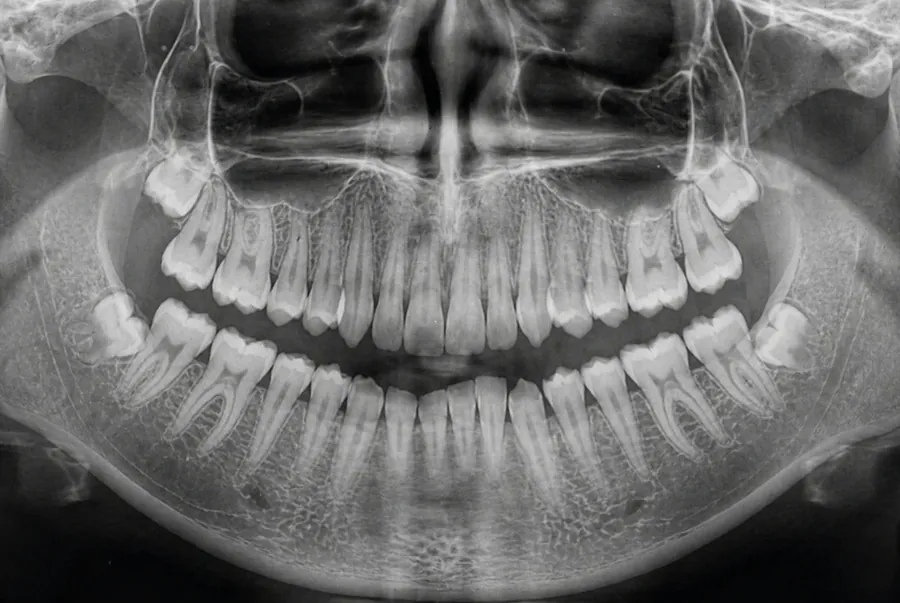
Wisdom teeth removal
Evaluation and removal of wisdom teeth that are impacted, crowded or causing trouble.
Learn more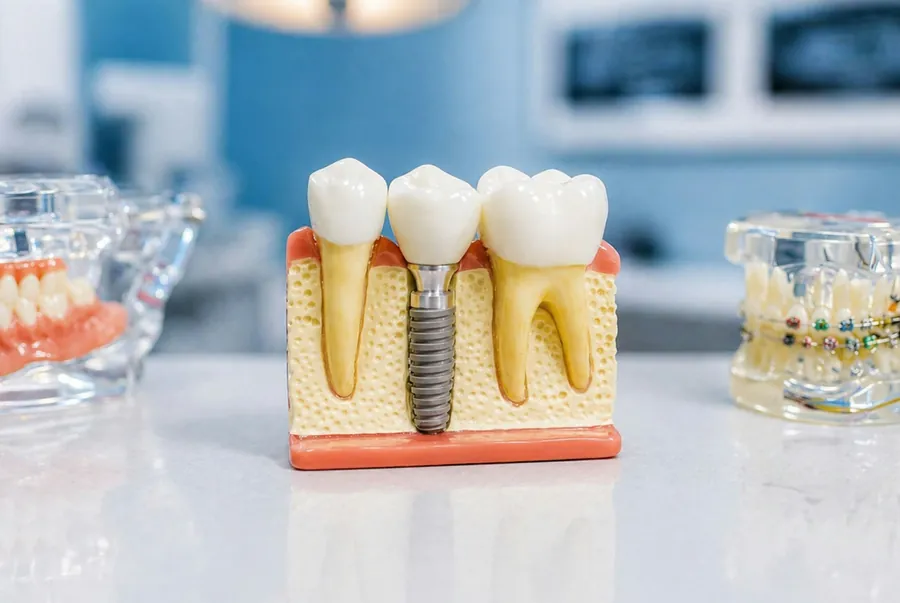
Single tooth implants
One missing tooth replaced with an implant, planned in 3D and placed by Dr. Abtin.
Learn more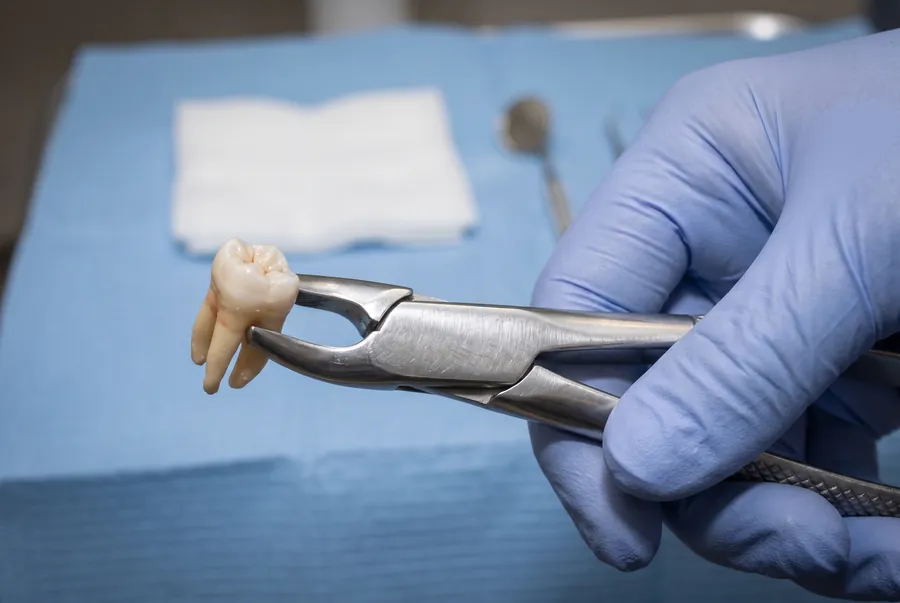
Tooth extractions
Simple and surgical extractions, including teeth your orthodontist asks to have removed.
Learn more
Sources for patients
- Anesthesia for oral and maxillofacial surgery AAOMS (MyOMS.org)
- Anesthesia and sedation ADA MouthHealthy
- Conscious sedation for surgical procedures MedlinePlus, U.S. National Library of Medicine
General information from patient education pages by the organizations above. Page updated November 6, 2026.
Ready when you are
Talk with the team today.
Ask a question, ask about your insurance or book a consultation with Dr. Abtin at the Dawsonville office.