Jaw surgery
Corrective jaw surgery, planned in 3D
Corrective jaw surgery, also called orthognathic surgery, repositions the upper jaw, lower jaw or chin so your teeth meet properly and your face is better balanced. At North Georgia Oral Surgeon in Dawsonville, Dr. Abtin Shahriari plans it with 3D imaging and works alongside your orthodontist from start to finish.
Who it is for
When the bite is a bone problem.
Braces move teeth. When the jaws themselves are out of position, teeth alone cannot fix the bite, and surgery may be part of the plan.
- Your upper and lower teeth do not meet when you bite, even after orthodontic work
- Chewing, biting or speaking feels difficult because of how your jaws line up
- Your lower jaw sits noticeably forward or back compared with your upper jaw
- Your lips do not close comfortably at rest, or you have an open bite
- Your orthodontist has said surgery may be needed to finish your treatment
How it works
From first scan to final bite.
Jaw surgery is a team effort that usually unfolds over many months, with your orthodontist involved throughout.
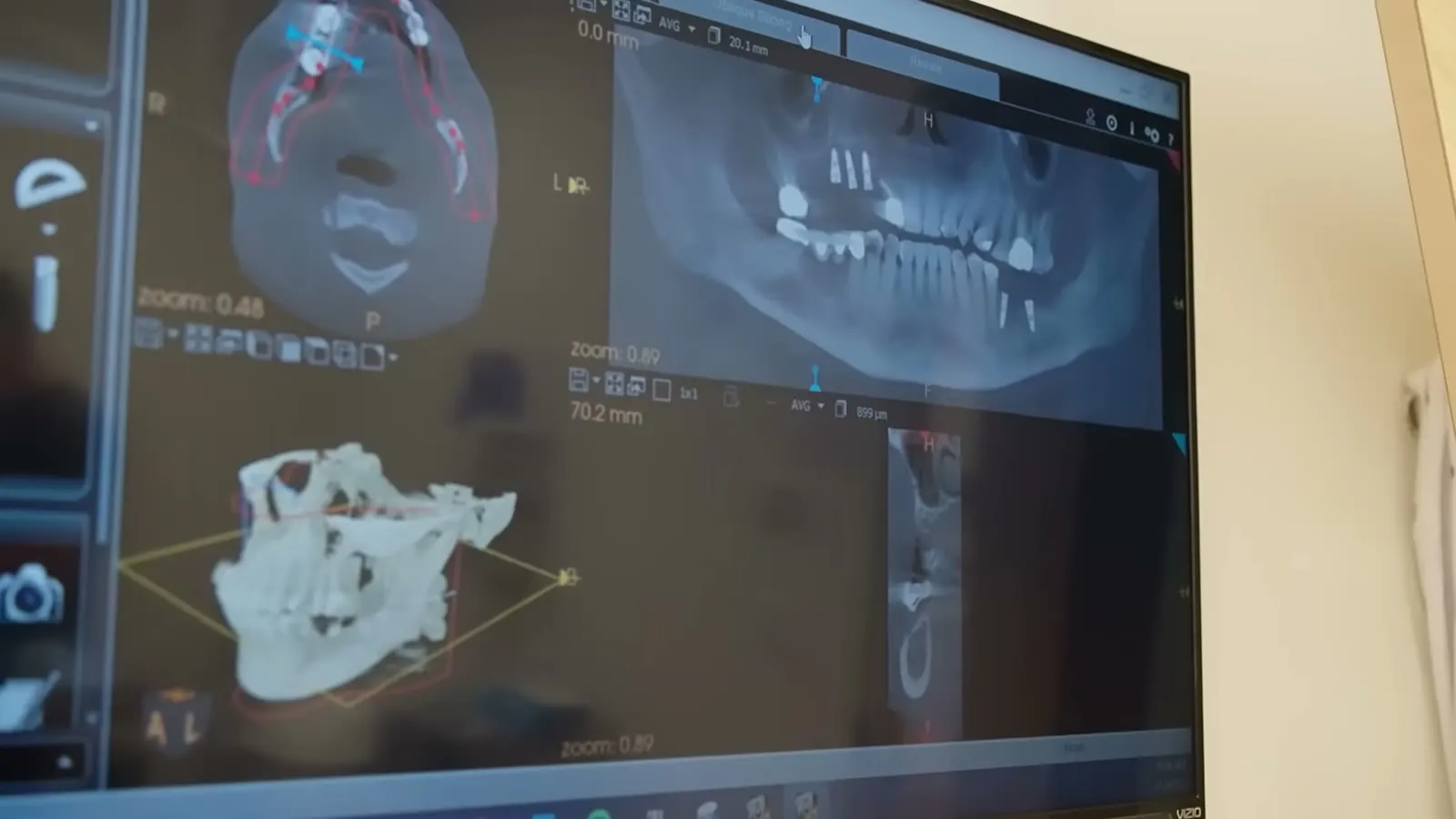
Records and 3D planning
Dr. Abtin studies your scans, photos and bite records, then maps how each jaw should move using 3D surgical planning.
Orthodontics first
In many cases braces or aligners come before surgery to line up the teeth in each jaw so they fit once the jaws move.
Surgery
Under anesthesia, the jaw bone is repositioned through incisions made inside the mouth and held in place with small plates and screws. Dr. Abtin tells you at your consultation where your surgery will take place.
Healing and finishing
You heal at home on a modified diet, then your orthodontist fine-tunes the bite over the following months.
Recovery
How long is recovery from jaw surgery?
Expect noticeable swelling and a soft or liquid diet for a period after surgery. Many people need a few weeks away from school or work, and full bone healing takes longer. Dr. Abtin gives you a recovery plan that fits the specific movements in your surgery.
Sleep with your head raised, take medicine as directed and keep every follow-up visit. Numbness of the lips or chin is common at first and often improves gradually over time.
Possible risks
- Numbness of the lip or chin, which often improves over months and can sometimes be lasting
- The jaw may shift back slightly over time, which can call for more orthodontic work
- Infection, bleeding, or a plate or screw that later needs to come out
- A bite that needs more adjustment than planned
Dr. Abtin goes over the risks that apply to you, and how they are lowered, before you decide on surgery.
Sedation options
Comfort, your way.
Corrective jaw surgery is done with you fully asleep or deeply sedated. Dr. Abtin reviews your health history and explains the anesthesia plan at your consultation.
- Not usually needed here
Local anesthesia
Numbs the area being treated. You are awake, and you feel pressure but not sharp pain.
- Not usually needed here
Nitrous oxide
A gas you breathe through a small mask. It takes the edge off nerves and wears off within minutes after the mask comes off.
- Option for this procedure
IV sedation
Medicine given through a vein places you in a deeply relaxed, sleep-like state. Most people remember little of the procedure. You need an adult to drive you home.
Insurance and cost
Does insurance cover jaw surgery?
Because corrective jaw surgery often treats how your jaws function, medical insurance may cover part of it when the problem is documented. Coverage rules vary widely by plan. Ask the team about the records your plan asks for and what it is likely to cover before surgery is scheduled.
Related care
You may also want to read.
Facial trauma
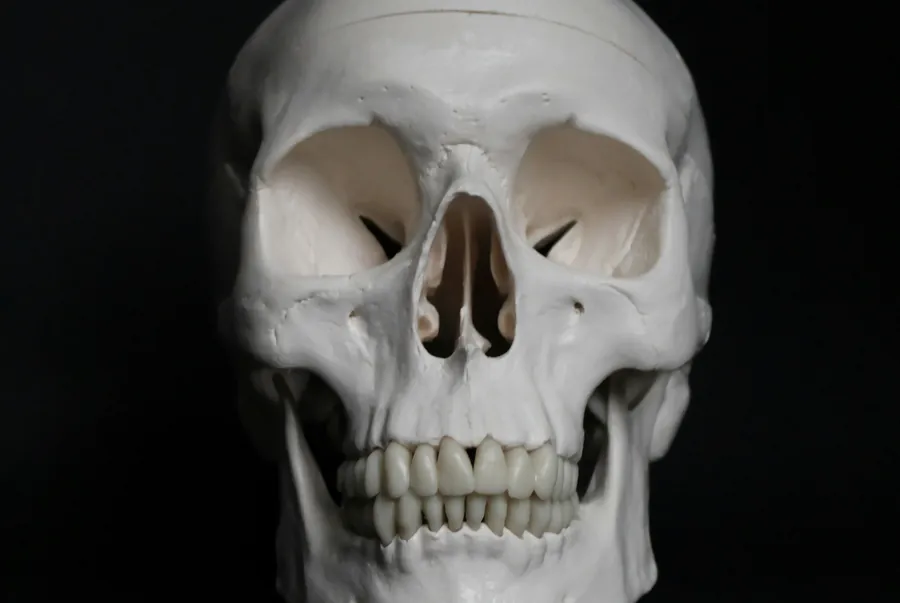
Repair of injuries to the teeth, jaws and facial bones.
Learn more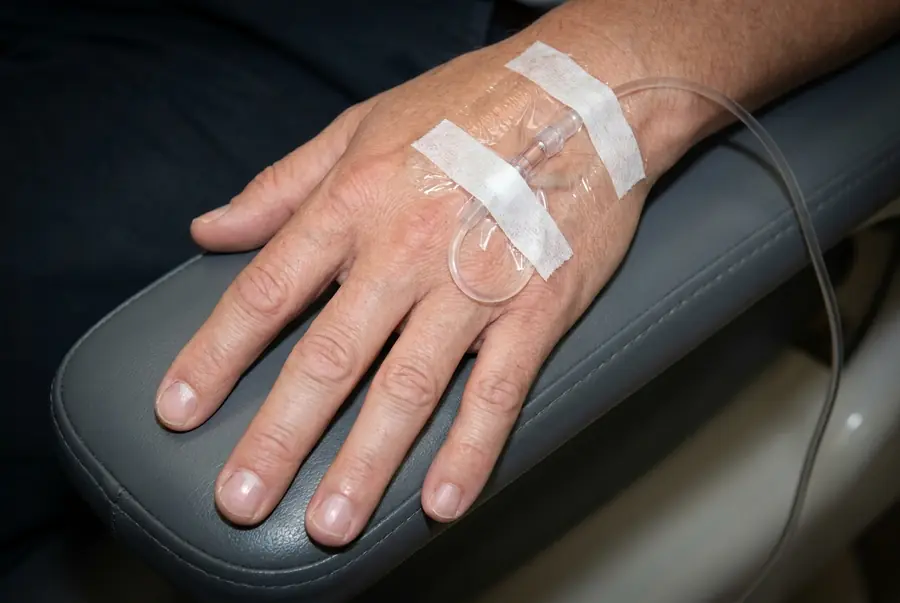
Sedation and anesthesia
Options from nitrous oxide to IV sedation, matched to you and your procedure.
Learn more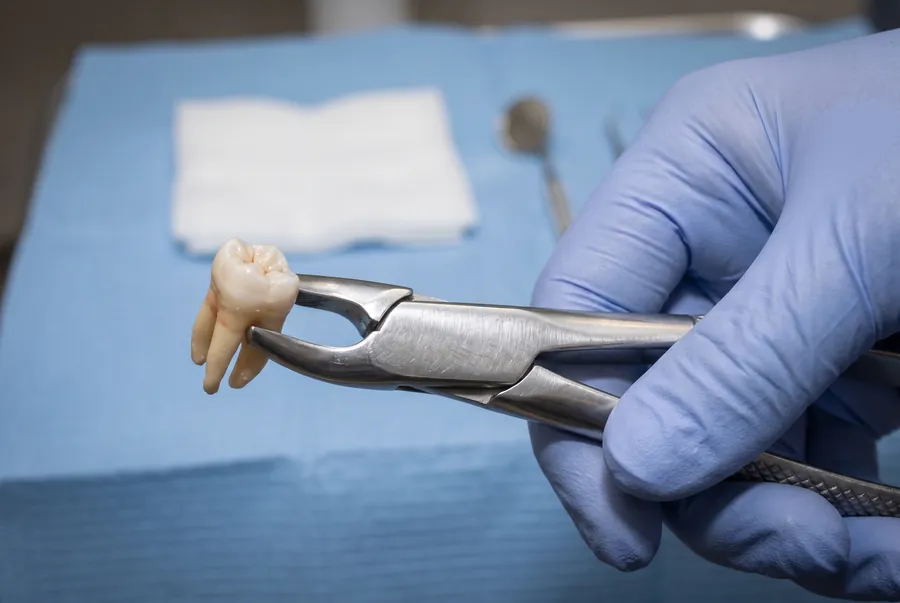
Tooth extractions
Simple and surgical extractions, including teeth your orthodontist asks to have removed.
Learn more
Sources for patients
- Corrective jaw surgery AAOMS (MyOMS.org)
- TMJ and facial pain AAOMS (MyOMS.org)
- Malocclusion of teeth MedlinePlus, U.S. National Library of Medicine
General information from patient education pages by the organizations above. Page updated November 6, 2026.
Ready when you are
Talk with the team today.
Ask a question, ask about your insurance or book a consultation with Dr. Abtin at the Dawsonville office.