Single tooth implants
Single tooth implants in Dawsonville
A single tooth implant is a small titanium post placed in the jawbone to replace the root of one missing tooth. At North Georgia Oral Surgeon in Dawsonville, Dr. Abtin Shahriari plans each implant with 3D imaging and places it, and your own dentist then attaches the crown. If more than one tooth is missing, Dr. Abtin tells you at your consultation whether implants can replace them here.
Looking for dentures or a full arch of teeth? That care is provided by ANEWU Dawsonville, in Suite 100A of the same building, with the same surgeon.
Who it is for
Is an implant right for you?
Implants work well for many adults who have lost one tooth or a few. A consultation and 3D scan show whether you have enough healthy bone and gum to support one. Coming from Gainesville or elsewhere in Hall County? Here is how visits work.
- You are missing a single tooth
- A tooth is cracked or failing and will need to be removed
- You would rather not grind down healthy neighboring teeth for a bridge
- A partial denture feels loose or uncomfortable
- Your gums are healthy, or gum disease is under control
How it works
From scan to finished tooth.
Implant treatment happens in stages over a few months, with your dentist and Dr. Abtin working together.
Consultation and 3D planning
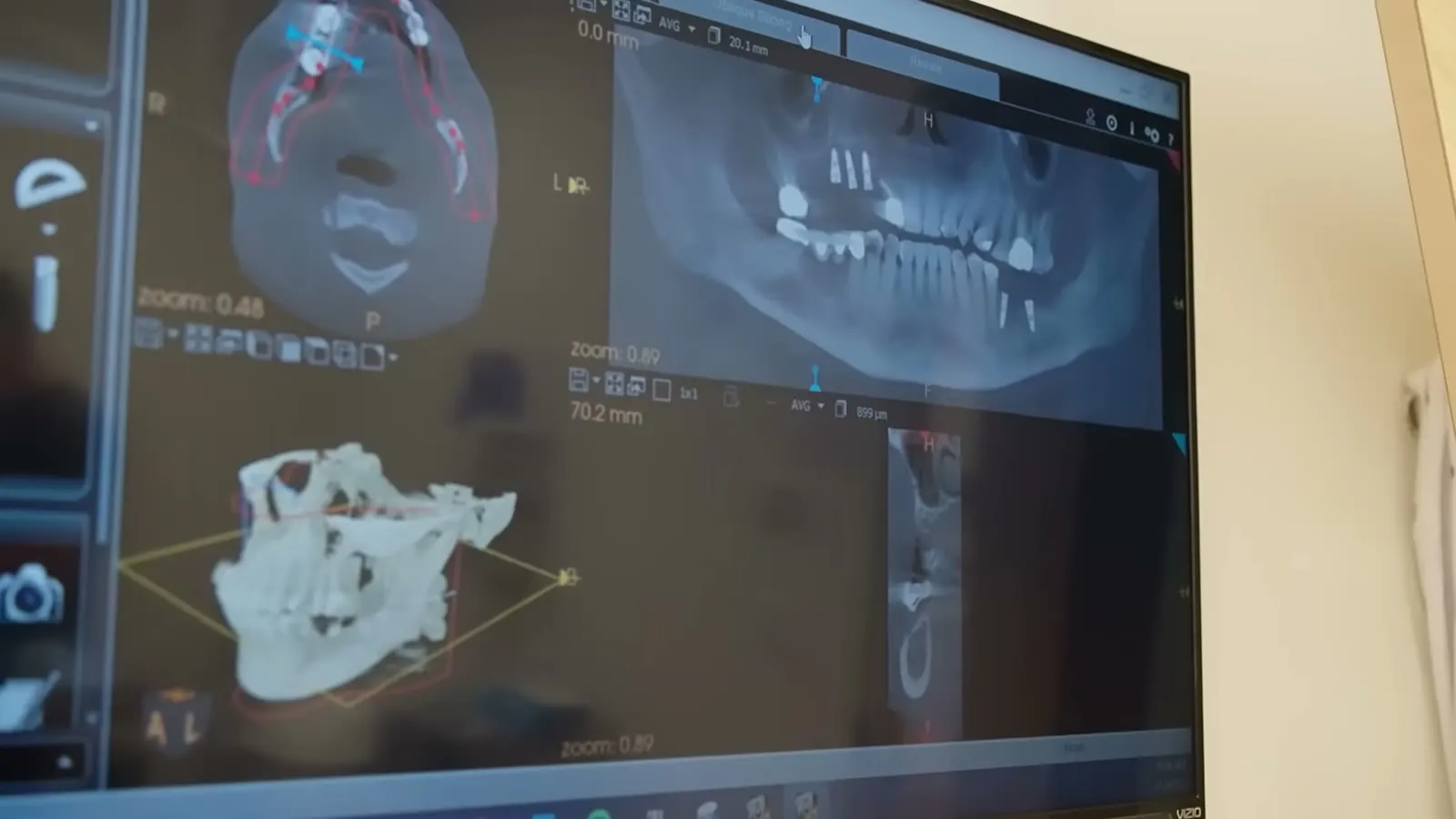
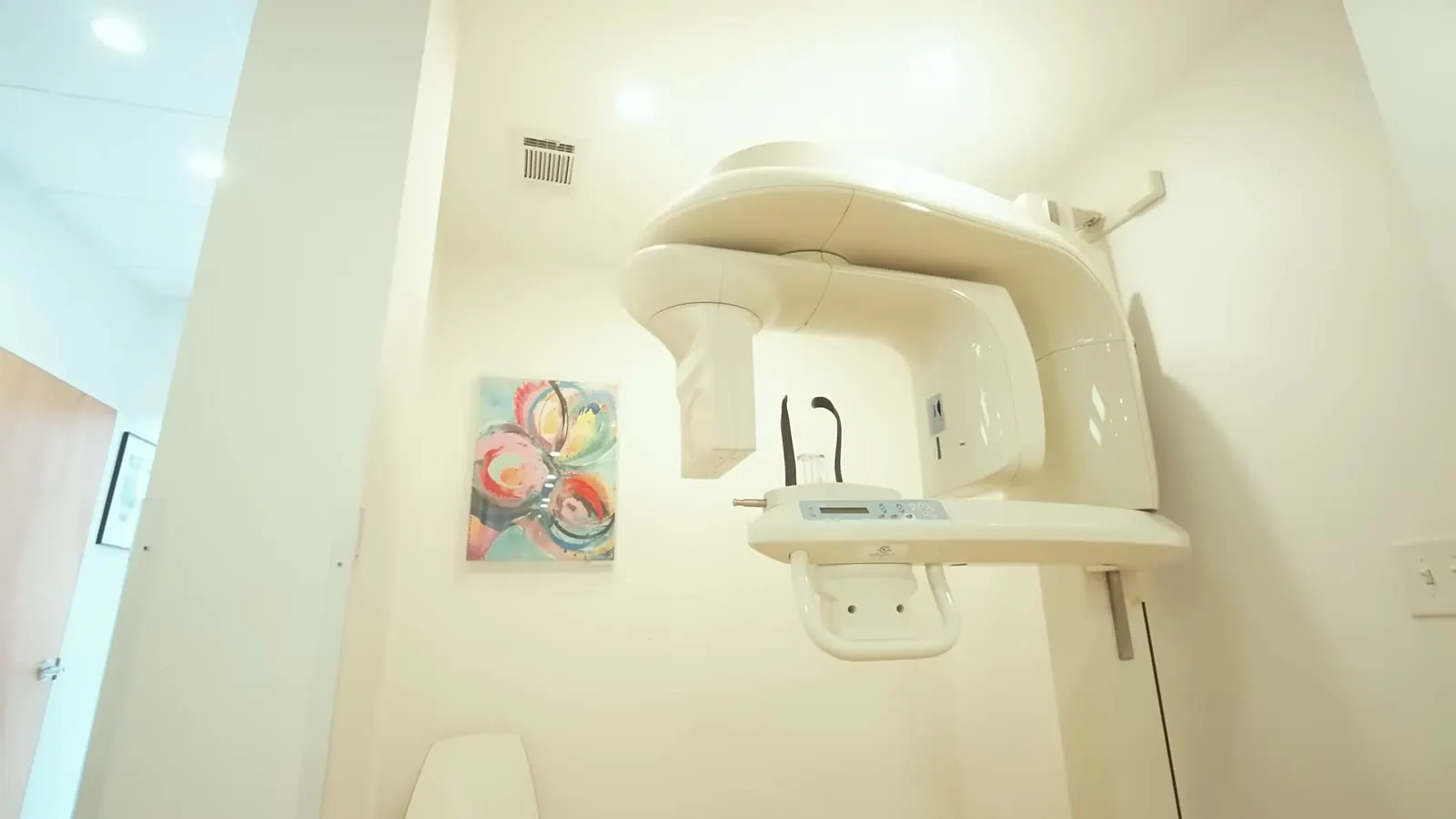
Dr. Abtin examines the site, takes a cone beam CT scan and maps the implant position in 3D so it lines up with the tooth your dentist will build.
Preparing the site
If a tooth needs to come out or the bone is thin, an extraction or bone graft may come first. Dr. Abtin tells you at your consultation whether any of these steps can happen on the same day.
Placing the implant
With the area numb and any sedation in effect, the implant is placed in the jawbone. The gum is closed or a small healing cap is left in view.
Healing and the crown
Over the following months the bone bonds to the implant. Dr. Abtin keeps your dentist informed, and your dentist attaches the final crown.
Recovery
How long does an implant take to heal?
Many people say a single implant feels easier than they expected, with soreness and some swelling for a few days. Most return to normal routines within a day or two, though it depends on whether grafting was done at the same time.
Chew on the other side, eat soft foods early on and keep the area clean as instructed. The bone needs time to grow around the implant, usually a few months, before the crown can be attached.
Possible risks
- The implant may not bond with the bone. If that happens it is removed, and another can often be placed after healing.
- Infection around the implant or in the gum
- Nerve irritation in the lower jaw, which can cause numbness of the lip or chin, or sinus problems in the upper jaw. 3D planning is used to keep clear of both.
- Smoking and uncontrolled diabetes raise the chance of problems
Dr. Abtin goes over the risks that apply to you, and how they are lowered, before you decide on surgery.
Sedation options
Comfort, your way.
A single implant is often placed with local anesthesia, with nitrous oxide if you would like to feel calmer. IV sedation is an option when grafting is planned or you would rather be deeply relaxed.
- Option for this procedure
Local anesthesia
Numbs the area being treated. You are awake, and you feel pressure but not sharp pain.
- Option for this procedure
Nitrous oxide
A gas you breathe through a small mask. It takes the edge off nerves and wears off within minutes after the mask comes off.
- Option for this procedure
IV sedation
Medicine given through a vein places you in a deeply relaxed, sleep-like state. Most people remember little of the procedure. You need an adult to drive you home.
Insurance and cost
Does insurance cover a dental implant?
Dental insurance may cover part of an implant, or part of the cost toward another way of replacing the tooth, depending on your plan. Some plans limit how much they pay each year. Ask the team what your plan is likely to cover for the surgical portion; your dentist can do the same for the crown.
Related care
You may also want to read.
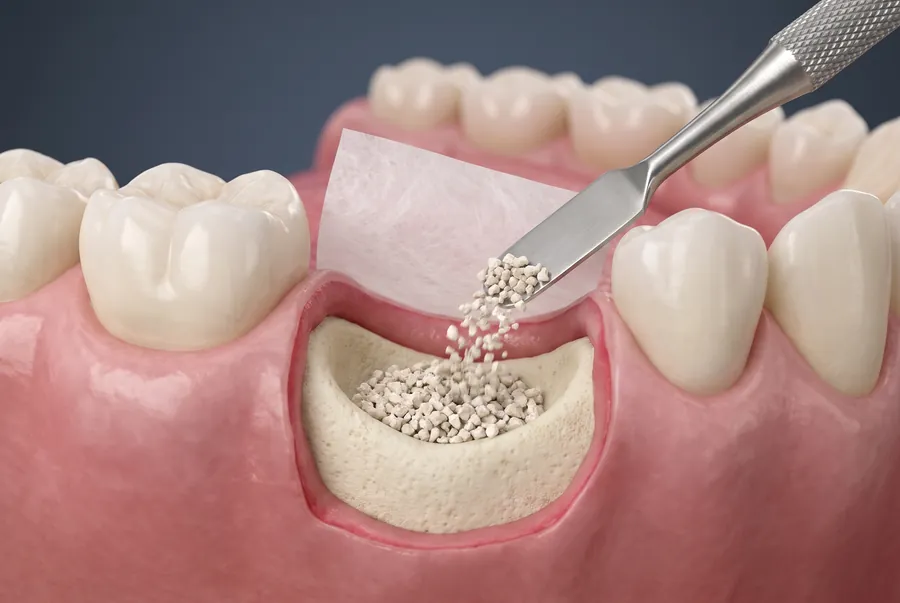
Bone grafting
Rebuilding bone where a tooth was lost so an implant has a firm base.
Learn more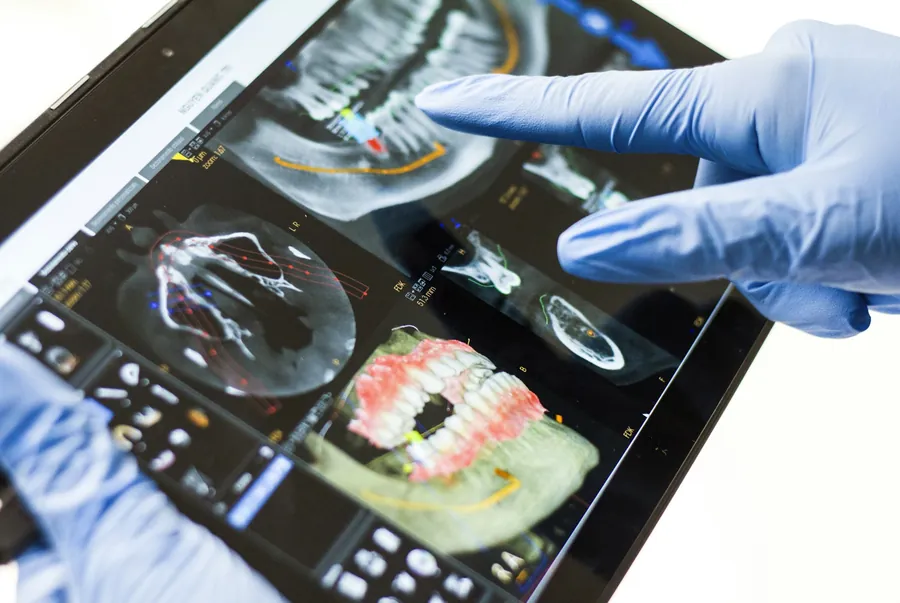
Sinus lift
Adding bone under the sinus floor to make room for upper back implants.
Learn more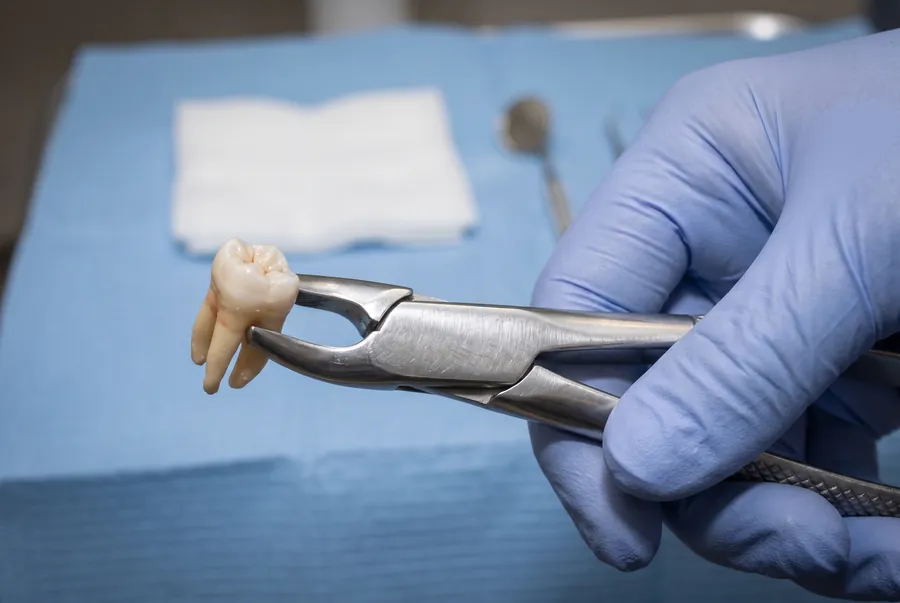
Tooth extractions
Simple and surgical extractions, including teeth your orthodontist asks to have removed.
Learn more
Sources for patients
- Dental implant surgery AAOMS (MyOMS.org)
- Are dental implants safe? AAOMS (MyOMS.org)
- Healing process for dental implants AAOMS (MyOMS.org)
- Implants ADA MouthHealthy
General information from patient education pages by the organizations above. Page updated November 6, 2026.
Ready when you are
Talk with the team today.
Ask a question, ask about your insurance or book a consultation with Dr. Abtin at the Dawsonville office.