Tooth extractions
Tooth extractions, done carefully
A tooth extraction removes a tooth that is broken, badly decayed, infected or in the way of orthodontic treatment. Dr. Abtin Shahriari performs simple and surgical extractions at North Georgia Oral Surgeon in Dawsonville, including premolars your orthodontist asks to have removed, with local anesthesia, nitrous oxide or IV sedation.
Who it is for
When a tooth has to go.
Saving a tooth is always the first goal. When that is no longer realistic, or when a tooth stands between you and a straighter bite, removing it can be the healthier choice. Coming from Gainesville or elsewhere in Hall County? Here is how visits work.
- A tooth cracked below the gumline or broken too far to repair
- Deep decay or an infection that a root canal cannot fix
- Gum disease that has loosened a tooth beyond saving
- Crowding, where your orthodontist asks to have specific teeth removed before braces or aligners
- Baby teeth that have not fallen out on their own and are blocking adult teeth
- A tooth your dentist wants out before an implant, bridge or denture
How it works
How an extraction works.
A simple extraction can be quick. A surgical extraction takes a little more time and a few stitches.
Review and imaging
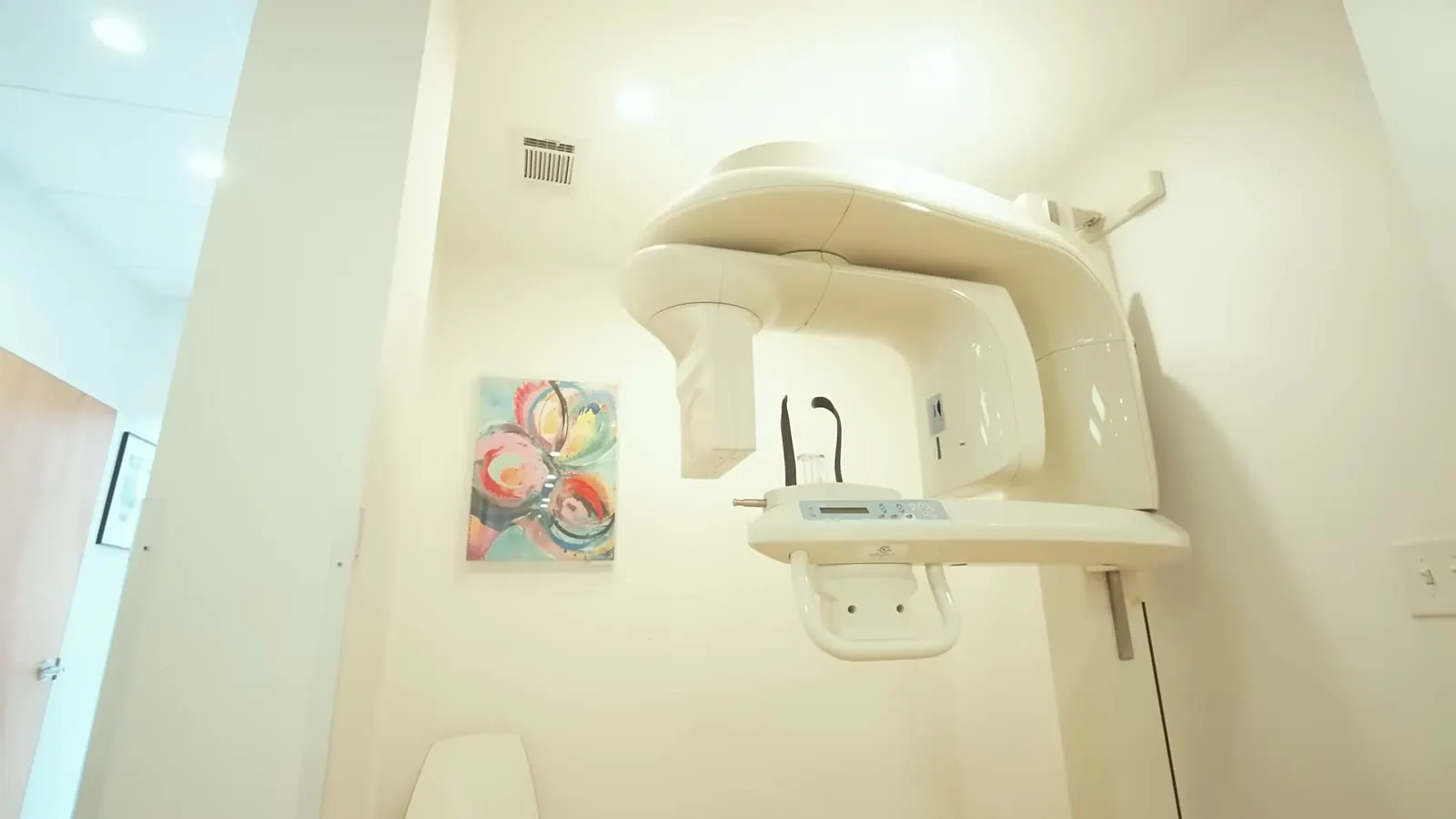
Dr. Abtin looks at your X-rays, and a 3D scan when the roots are curved or close to a nerve, so the plan fits the tooth in front of him.
Numbing and comfort
The area is numbed with local anesthesia. If you chose nitrous oxide or IV sedation, it is started before any work begins.
Removing the tooth
A tooth that is fully visible is gently loosened and lifted out. A broken or buried tooth may need a small opening in the gum or removal in pieces.
Closing and protecting
The socket is cleaned, closed with stitches if needed, and covered with gauze. Some patients have a bone graft placed to keep the area ready for an implant.
Recovery
How long does an extraction take to heal?
Most people feel tender for a few days, with swelling that is usually mild after a simple extraction and more noticeable after a surgical one. A clot forms in the socket within the first day, and protecting it is the main job early on.
Bite on gauze as directed, eat soft foods, and skip straws, smoking and spitting for the first several days. Orthodontic patients can usually move ahead with their braces plan once the gums have settled, and your orthodontist will set that timing.
Possible risks
- Dry socket, which brings a throbbing ache two to four days after the extraction
- Infection or bleeding that needs another visit
- Numbness of the lip or tongue when a lower root sits close to a nerve, usually temporary
- With some upper back teeth, a small opening between the socket and the sinus that needs care while it closes
Dr. Abtin goes over the risks that apply to you, and how they are lowered, before you decide on surgery.
Sedation options
Comfort, your way.
A single simple extraction is often done with local anesthesia alone. For surgical extractions, several teeth at once or nervous patients, nitrous oxide or IV sedation can make the visit easier.
- Option for this procedure
Local anesthesia
Numbs the area being treated. You are awake, and you feel pressure but not sharp pain.
- Option for this procedure
Nitrous oxide
A gas you breathe through a small mask. It takes the edge off nerves and wears off within minutes after the mask comes off.
- Option for this procedure
IV sedation
Medicine given through a vein places you in a deeply relaxed, sleep-like state. Most people remember little of the procedure. You need an adult to drive you home.
Insurance and cost
Does insurance cover a tooth extraction?
Many dental plans cover part of an extraction, and coverage often differs between a simple and a surgical extraction. When a tooth is removed because of an injury, medical insurance may also play a role. Ask the team what your plan is likely to cover ahead of time so you know what to expect.
Related care
You may also want to read.
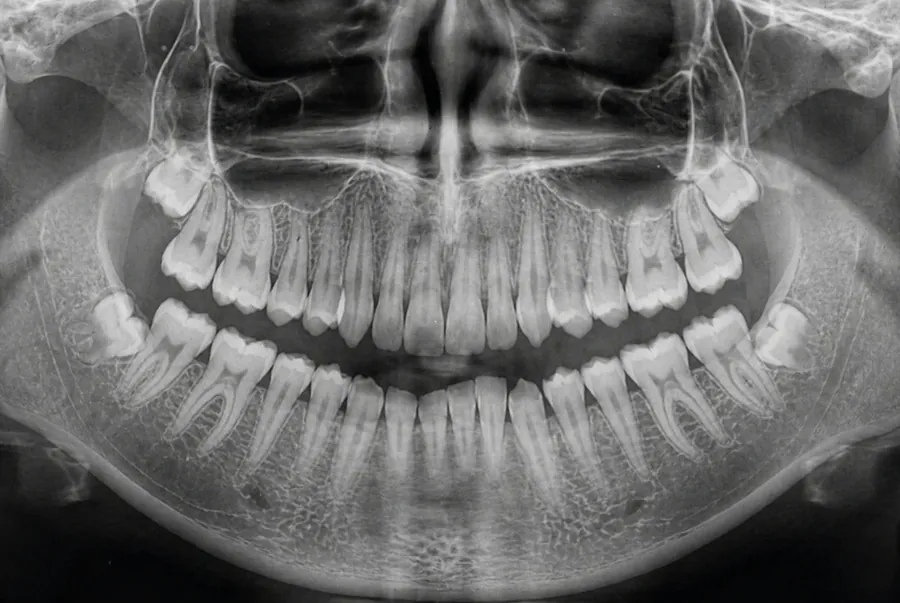
Wisdom teeth removal
Evaluation and removal of wisdom teeth that are impacted, crowded or causing trouble.
Learn more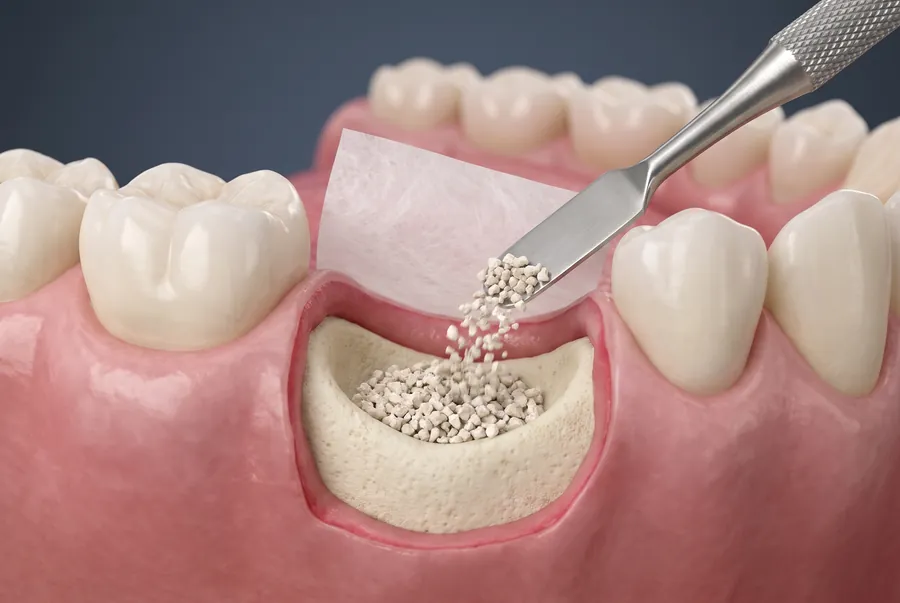
Bone grafting
Rebuilding bone where a tooth was lost so an implant has a firm base.
Learn more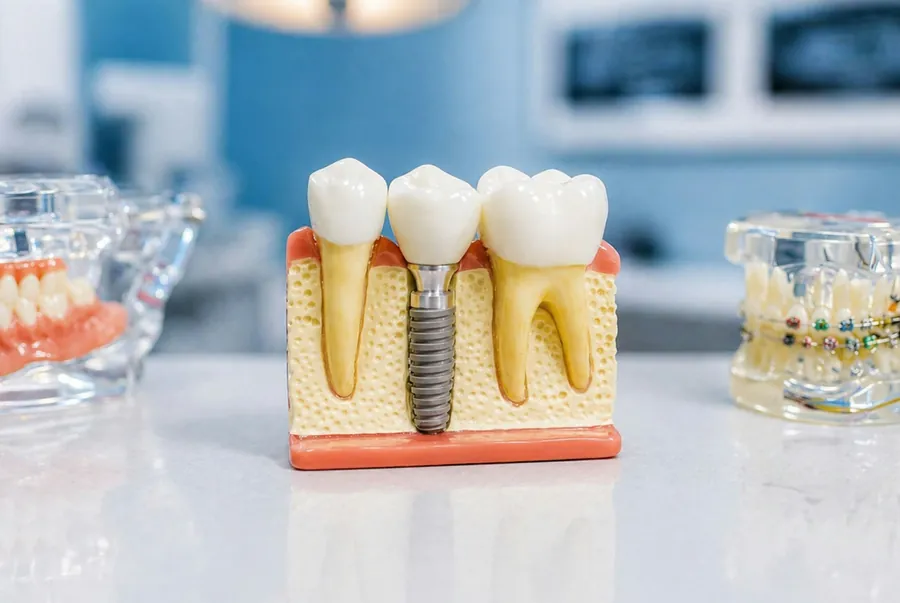
Single tooth implants
One missing tooth replaced with an implant, planned in 3D and placed by Dr. Abtin.
Learn more
Sources for patients
- Tooth extractions and other oral surgery AAOMS (MyOMS.org)
- Tooth extraction MedlinePlus, U.S. National Library of Medicine
- Extractions ADA MouthHealthy
- Dry socket ADA MouthHealthy
General information from patient education pages by the organizations above. Page updated November 6, 2026.
Ready when you are
Talk with the team today.
Ask a question, ask about your insurance or book a consultation with Dr. Abtin at the Dawsonville office.