Sinus lift
A sinus lift for upper implants
A sinus lift raises the floor of the sinus above your upper back teeth and adds bone beneath it, so there is enough height to hold a dental implant. Dr. Abtin Shahriari plans each sinus lift with 3D imaging and performs it at North Georgia Oral Surgeon in Dawsonville.
Who it is for
When the sinus sits too low.
The bone under the sinus is often thin to begin with, and it can thin further after upper back teeth are lost. A sinus lift creates the room an implant needs.
- You are missing upper molars or premolars and want implants
- Your 3D scan shows too little bone height below the sinus
- Upper back teeth were lost some time ago and the bone has receded
- A previous implant plan was put on hold because of limited bone
How it works
How a sinus lift works.
The approach depends on how much bone you have now. Your scan guides the plan.
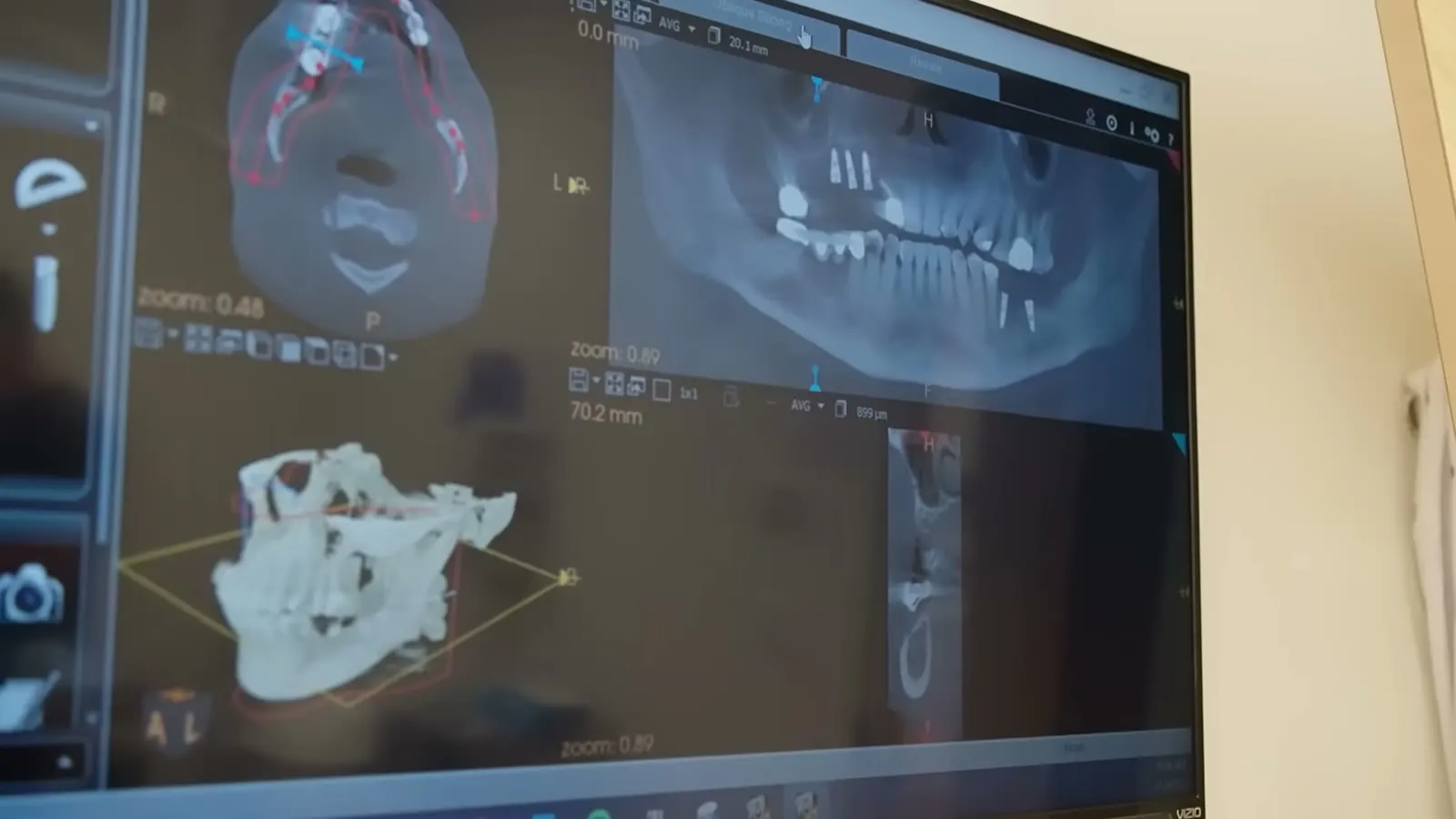
Mapping the sinus
A cone beam CT scan shows the sinus, the bone below it and the space available, so Dr. Abtin can choose the right approach.
Reaching the sinus floor
With the area numb and any sedation in effect, Dr. Abtin opens the gum. Depending on your case, the sinus is reached from the side of the jaw or through the implant site.
Lifting and grafting
The thin membrane lining the sinus is gently raised, and graft material is placed in the space beneath it to form new bone.
Healing and the implant
New bone forms in the grafted space over several months. Sometimes the implant goes in during the lift itself; otherwise it is placed once that bone is ready.

Recovery
How long does a sinus lift take to heal?
Expect swelling and some soreness in the cheek, and possibly a little bleeding from the nose in the first day or two. These usually settle within a week.
Protect the sinus while it heals. Do not blow your nose. If you need to sneeze, sneeze with your mouth open. Avoid straws, smoking and heavy lifting for the period Dr. Abtin gives you, and take any medicines exactly as prescribed.
Possible risks
- A tear in the thin sinus lining, which is often repaired during the same surgery
- Sinus infection or congestion while the area heals
- Loss of some graft material, which can delay or change the implant plan
- A small opening between the mouth and the sinus that needs care while it closes
Dr. Abtin goes over the risks that apply to you, and how they are lowered, before you decide on surgery.
Sedation options
Comfort, your way.
Smaller sinus lifts done through the implant site may only need local anesthesia and nitrous oxide. Many patients prefer IV sedation for a larger lift from the side of the jaw.
- Option for this procedure
Local anesthesia
Numbs the area being treated. You are awake, and you feel pressure but not sharp pain.
- Option for this procedure
Nitrous oxide
A gas you breathe through a small mask. It takes the edge off nerves and wears off within minutes after the mask comes off.
- Option for this procedure
IV sedation
Medicine given through a vein places you in a deeply relaxed, sleep-like state. Most people remember little of the procedure. You need an adult to drive you home.
Insurance and cost
Does insurance cover a sinus lift?
Dental insurance coverage for sinus lifts varies, and some plans consider it part of implant treatment. Ask the team what portion your plan may cover before surgery.
Related care
You may also want to read.
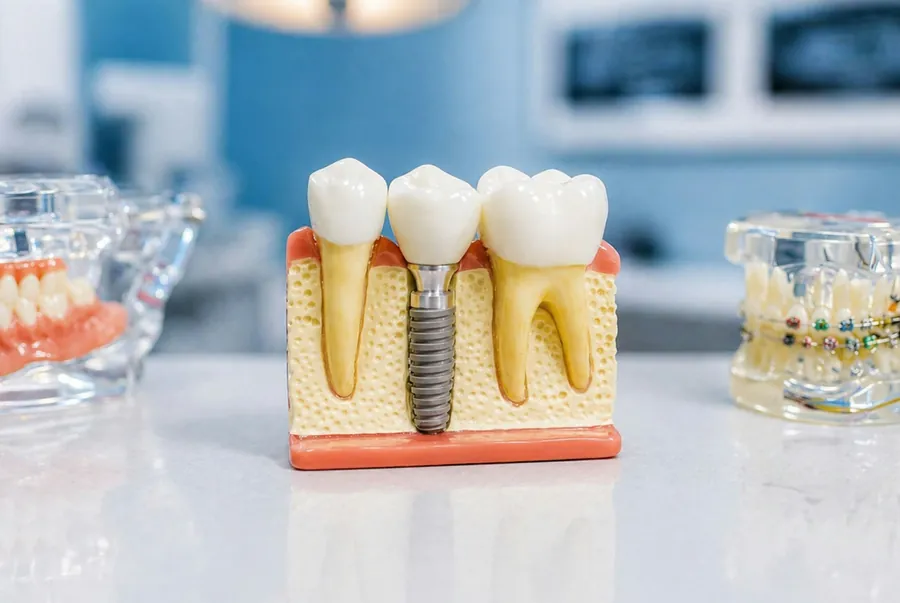
Single tooth implants
One missing tooth replaced with an implant, planned in 3D and placed by Dr. Abtin.
Learn more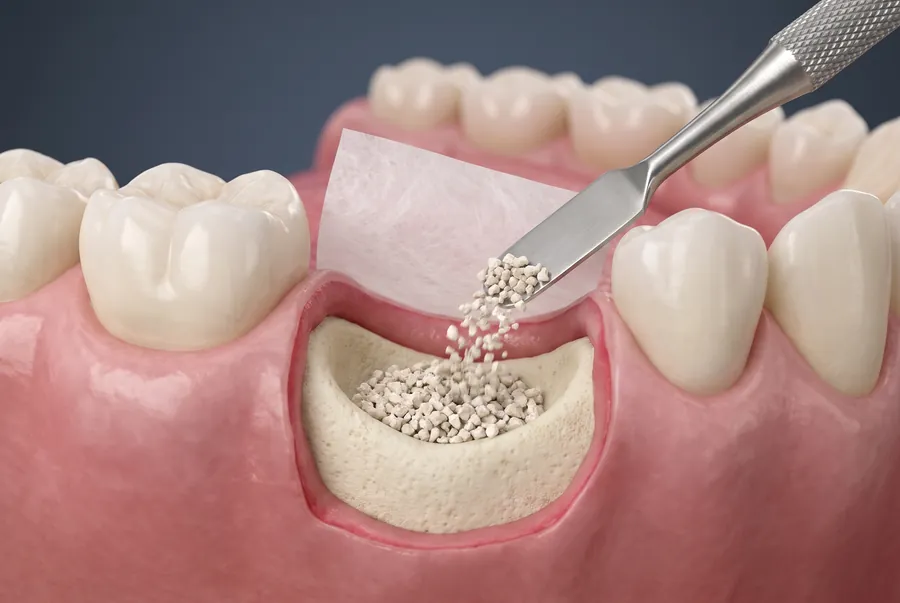
Bone grafting
Rebuilding bone where a tooth was lost so an implant has a firm base.
Learn more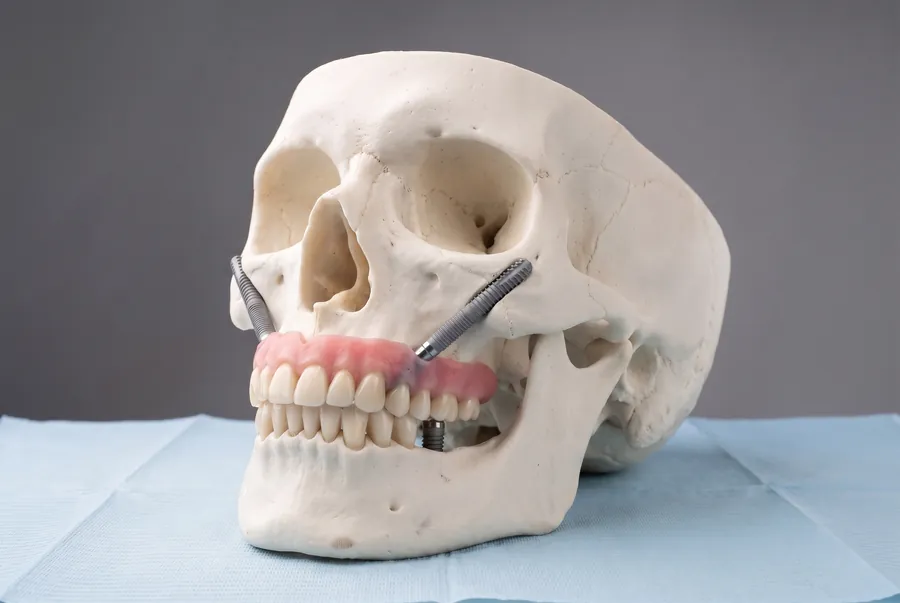
Zygomatic implant consult
A second opinion if you were told there is not enough upper jawbone for implants.
Learn more
Sources for patients
- Sinus augmentation: preparing sinuses for dental implants AAOMS (MyOMS.org)
- Dental implant surgery AAOMS (MyOMS.org)
- Healing process for dental implants AAOMS (MyOMS.org)
General information from patient education pages by the organizations above. Page updated November 6, 2026.
Ready when you are
Talk with the team today.
Ask a question, ask about your insurance or book a consultation with Dr. Abtin at the Dawsonville office.