Impacted teeth
Impacted tooth exposure, guiding a buried tooth into place
Impacted tooth exposure, often called expose and bond, uncovers an adult tooth that is stuck under the gum or in the bone and attaches a small bracket to it so the tooth can be brought into line. Dr. Abtin Shahriari leads the process in Dawsonville, from the 3D scan to the surgery, and his team coordinates the orthodontic side for you.
Who it is for
Teeth that need a hand.
Many patients are teens, and adults can have this done too. The tooth is healthy; it just has not been able to come in on its own.
- An adult canine that has not appeared by the expected age
- A baby tooth that is still in place long after it should have fallen out
- An X-ray that shows a tooth sitting sideways or high in the palate
- A dentist or orthodontist who has spotted a buried tooth and suggested a surgical consult
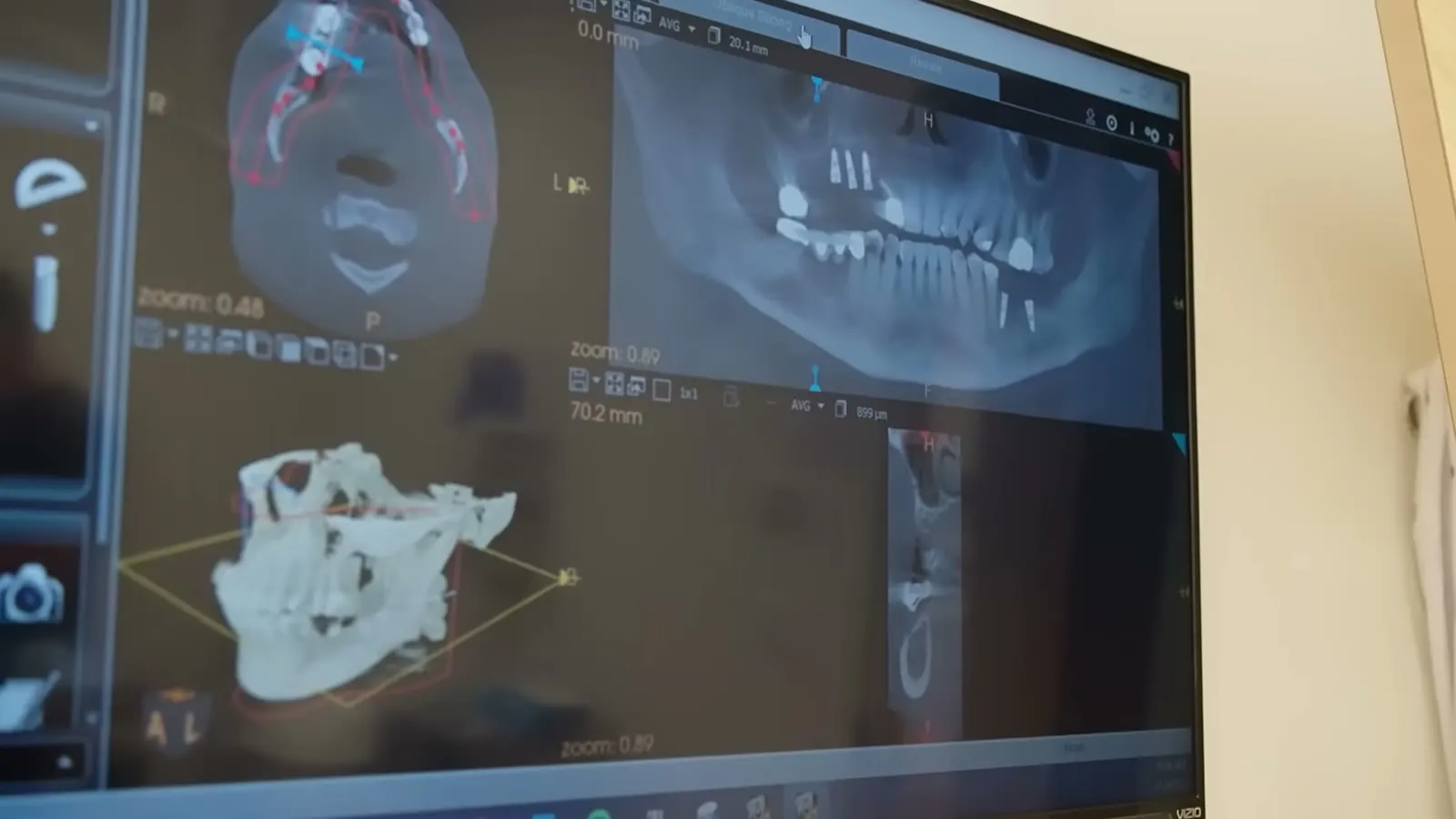
How it works
How expose and bond works.
Dr. Abtin's team plans the whole process with you and keeps everyone involved on the same page.
Locating the tooth
A 3D cone beam CT scan shows exactly where the tooth sits and how close it is to the roots of neighboring teeth.
Building the plan
Dr. Abtin maps out the approach and the timing with you, and the team coordinates directly with your orthodontist, so you are never the go-between. Braces are usually placed beforehand to make room.
Uncovering and bonding
With the area numb and any sedation in effect, a small section of gum is opened, a bracket with a fine chain is bonded to the tooth, and the gum is closed.
Bringing it into line
Over the following months, gentle pressure on the chain draws the tooth gradually into its spot in the arch, and Dr. Abtin's team stays available if anything comes up along the way.
Recovery
How long does healing take after expose and bond?
Expect some tenderness and mild swelling for a few days. Many teens are back at school within a day or two, depending on how they feel and which sedation they had.
Eat soft foods, rinse gently as instructed, and be careful not to pull or bump the small chain. Gentle movement of the tooth usually starts once the gum has begun to heal.
Possible risks
- The bracket or chain can come loose and need to be reattached
- The tooth may move more slowly than planned, or not at all, which is more likely in adults
- Changes in the gum around the tooth once it reaches its place
- Bleeding, swelling or infection, as with any oral surgery
Dr. Abtin goes over the risks that apply to you, and how they are lowered, before you decide on surgery.
Sedation options
Comfort, your way.
Some patients do well with local anesthesia and nitrous oxide. Teens who feel anxious, or cases where the tooth sits deep in the bone, may be more comfortable with IV sedation.
- Option for this procedure
Local anesthesia
Numbs the area being treated. You are awake, and you feel pressure but not sharp pain.
- Option for this procedure
Nitrous oxide
A gas you breathe through a small mask. It takes the edge off nerves and wears off within minutes after the mask comes off.
- Option for this procedure
IV sedation
Medicine given through a vein places you in a deeply relaxed, sleep-like state. Most people remember little of the procedure. You need an adult to drive you home.
Insurance and cost
Does insurance cover expose and bond?
Expose and bond is often covered in part by dental insurance, and some plans treat it as part of orthodontic care. Benefits vary widely, so the team checks your plan before the procedure and walks you through what to expect.
Related care
You may also want to read.
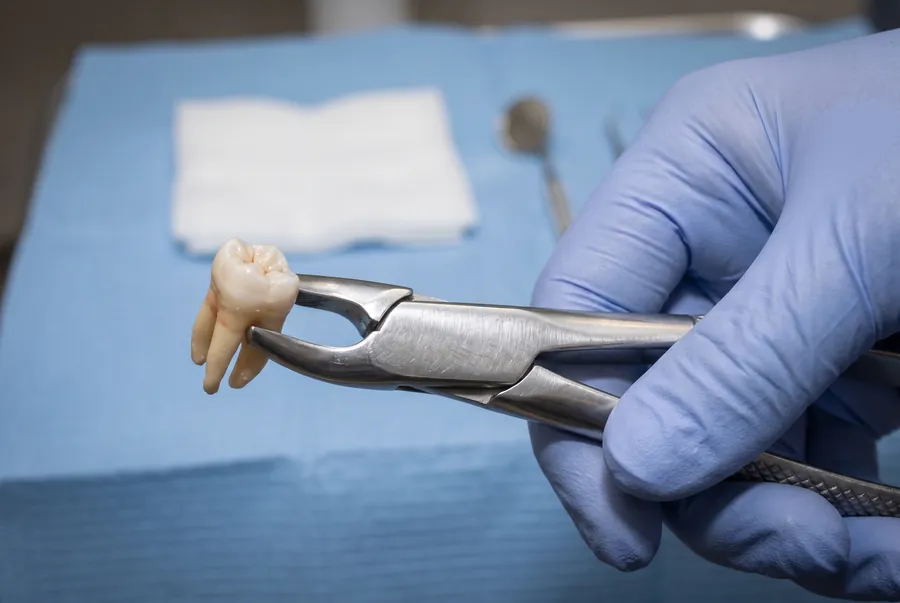
Tooth extractions
Simple and surgical extractions, including teeth your orthodontist asks to have removed.
Learn more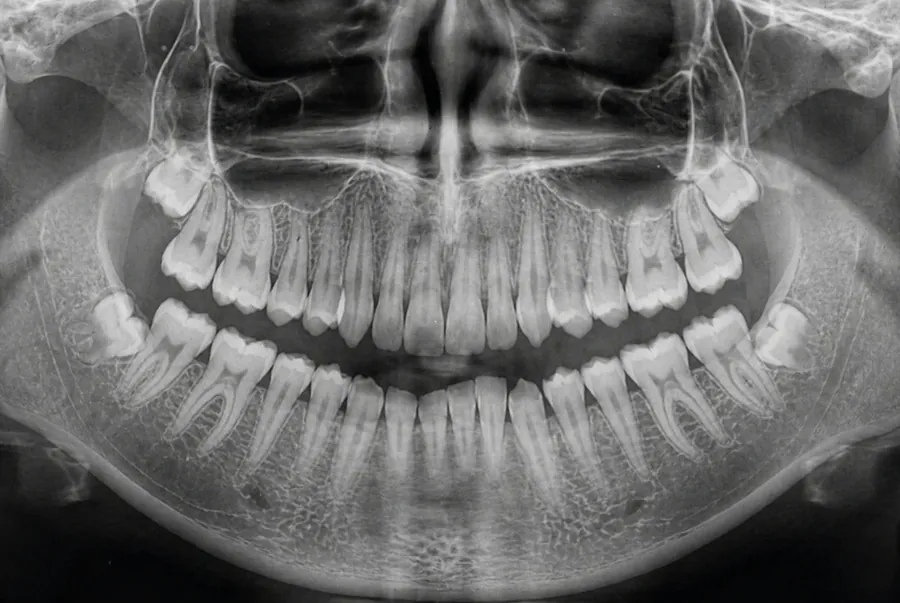
Wisdom teeth removal
Evaluation and removal of wisdom teeth that are impacted, crowded or causing trouble.
Learn more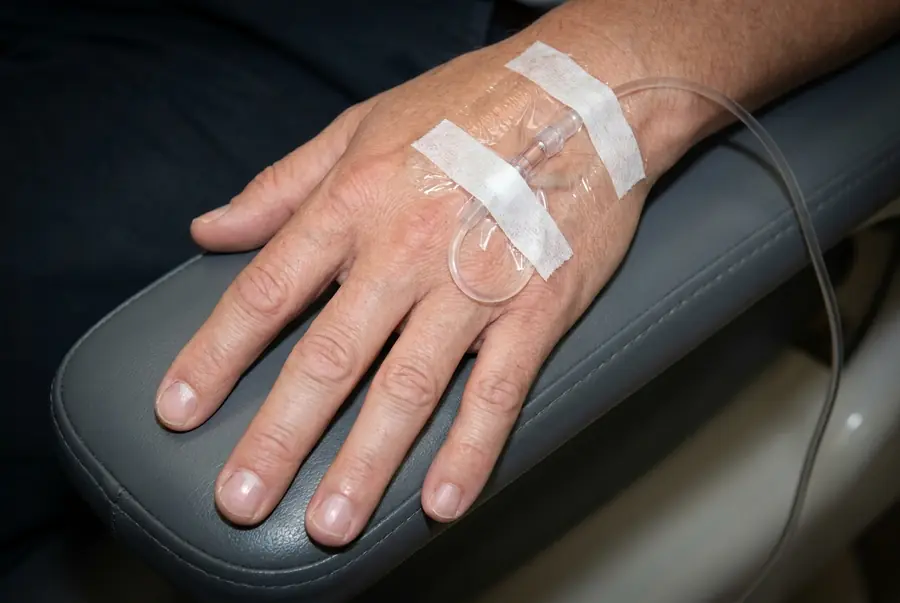
Sedation and anesthesia
Options from nitrous oxide to IV sedation, matched to you and your procedure.
Learn more
Sources for patients
- Extractions, expose and bond and other oral surgery AAOMS (MyOMS.org)
- Surgery to assist orthodontics AAOMS (MyOMS.org)
- Impacted tooth MedlinePlus, U.S. National Library of Medicine
General information from patient education pages by the organizations above. Page updated November 4, 2026.
Ready when you are
Talk with the team today.
Ask a question, ask about your insurance or book a consultation with Dr. Abtin at the Dawsonville office.