Frenectomy
Frenectomy for tongue-tie and lip-tie
A frenectomy is a short procedure that releases or removes a frenum, the small band of tissue under the tongue or behind the upper lip, when it is tight enough to cause problems. At North Georgia Oral Surgeon in Dawsonville, Dr. Abtin Shahriari evaluates the frenum and performs the release with local anesthesia.
Who it is for
Signs a frenum is too tight.
Everyone has a frenum. It only needs attention when it limits movement or affects the teeth and gums. Many children with a tongue-tie speak normally, so an exam, together with your speech therapist's view, decides whether a release is likely to help.
- The tongue cannot reach the roof of the mouth or stick out past the lower lip
- Speech sounds such as L, R, T or TH are hard to make, and your speech therapist suspects a tie
- A gap between the upper front teeth keeps reopening after orthodontic treatment
- The gum is pulling away from a front tooth where the lip frenum attaches
- Your dentist, orthodontist or pediatrician has suggested an evaluation

How it works
A short, simple visit.
For most patients, the release itself takes only a few minutes once the area is numb.
Evaluation
Dr. Abtin checks how the tongue or lip moves, looks at the gums and teeth, and asks about speech, eating or orthodontic concerns.
Numbing
The area is numbed with local anesthesia. Nitrous oxide can help if you or your child feels nervous.
Release
The tight band is gently released or removed. Dr. Abtin explains the technique, and whether stitches are needed, before he begins.
Exercises and follow-up
You get simple stretching exercises to keep the area from tightening as it heals, and a visit to check progress.

Recovery
How long does a frenectomy take to heal?
Mild soreness for a few days is common, and soft, cool foods help. Many people return to school or work the next day. The area may look white or yellow while it heals, which is a normal part of the process.
Do the stretching exercises as shown, since they help the new range of motion last. If speech is the concern, a speech therapist can help you or your child put the new tongue movement to use.
Possible risks
- Bleeding or soreness for a few days
- Infection, which is uncommon
- The tissue can reattach or tighten again as it heals, which is why the stretching exercises matter
- Speech or feeding may not change, because a tight frenum is not always the cause
Dr. Abtin goes over the risks that apply to you, and how they are lowered, before you decide on surgery.
Sedation options
Comfort, your way.
A frenectomy is a brief procedure, so local anesthesia is usually all that is needed. Nitrous oxide can take the edge off for anxious patients.
- Option for this procedure
Local anesthesia
Numbs the area being treated. You are awake, and you feel pressure but not sharp pain.
- Option for this procedure
Nitrous oxide
A gas you breathe through a small mask. It takes the edge off nerves and wears off within minutes after the mask comes off.
- Not usually needed here
IV sedation
Medicine given through a vein places you in a deeply relaxed, sleep-like state. Most people remember little of the procedure. You need an adult to drive you home.
Insurance and cost
Does insurance cover a frenectomy?
Coverage for a frenectomy depends on why it is done and on your plan. Dental insurance may help when it supports gum health or orthodontic treatment, and medical insurance sometimes applies when speech or feeding is affected. Ask the team what your plan is likely to cover first.
Related care
You may also want to read.
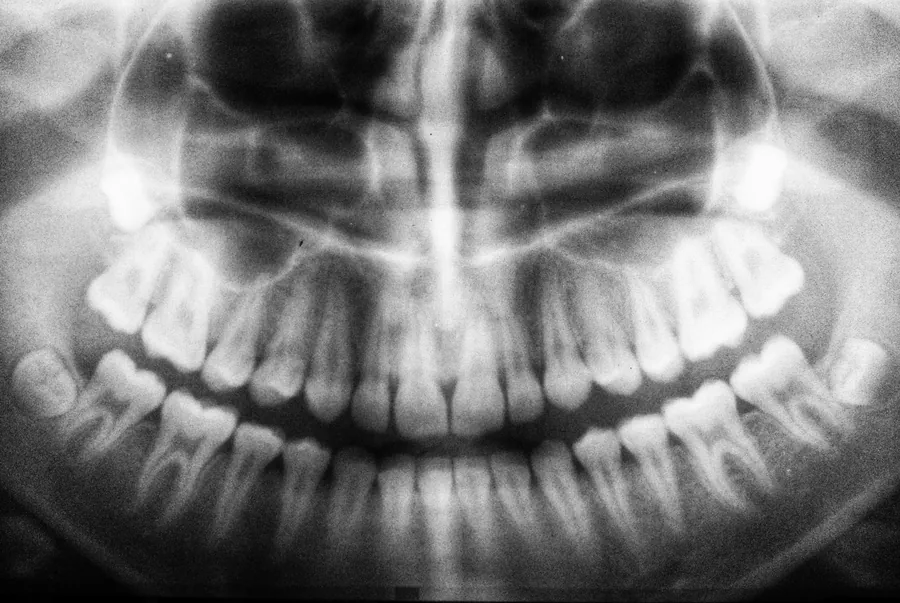
Impacted teeth exposure
Finding and uncovering a tooth stuck in the bone, and planning how it comes into place.
Learn more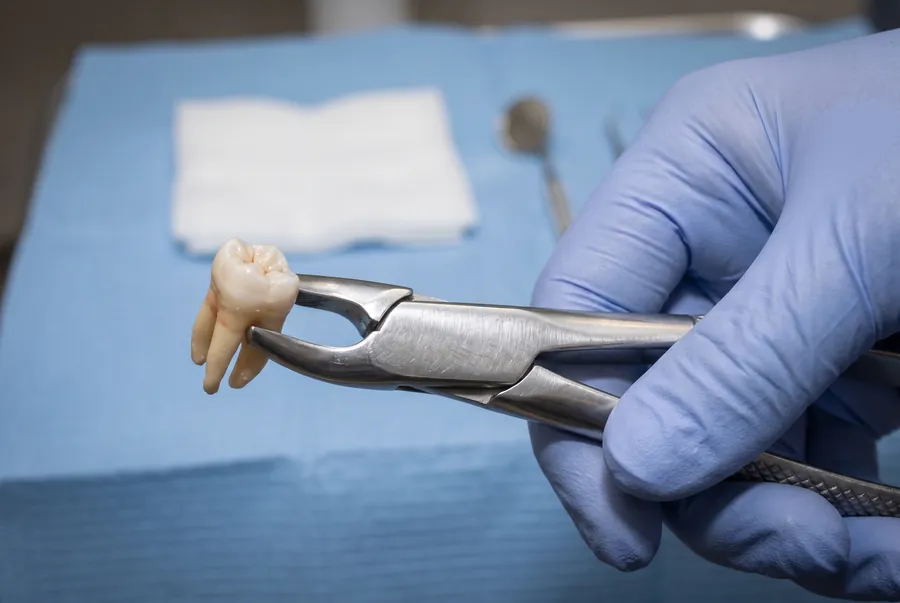
Tooth extractions
Simple and surgical extractions, including teeth your orthodontist asks to have removed.
Learn more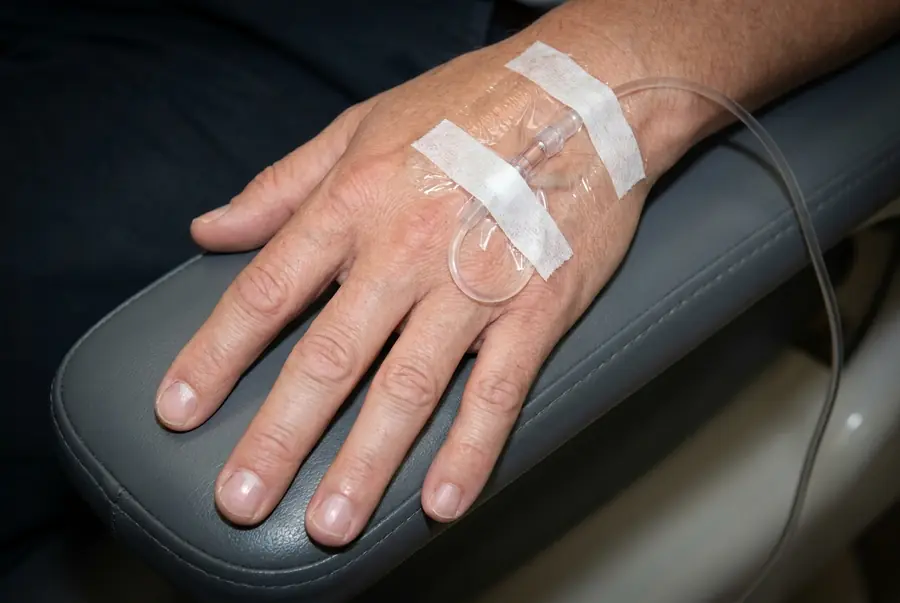
Sedation and anesthesia
Options from nitrous oxide to IV sedation, matched to you and your procedure.
Learn more
Sources for patients
- Oral soft-tissue surgery, including frenectomy AAOMS (MyOMS.org)
- Tooth extractions and other oral surgery AAOMS (MyOMS.org)
General information from patient education pages by the organizations above. Page updated November 8, 2026.
Ready when you are
Talk with the team today.
Ask a question, ask about your insurance or book a consultation with Dr. Abtin at the Dawsonville office.