Oral pathology
Oral biopsy and pathology in Dawsonville
Oral pathology is the diagnosis and treatment of sores, lumps, patches and cysts in the mouth and jaws. In Dawsonville, Dr. Abtin Shahriari examines the area, takes a small tissue sample when needed and sends it to a laboratory, then explains the results and removes cysts or benign growths if treatment is recommended.
Who it is for
Changes worth checking.
Most mouth sores heal within about two weeks. Anything that lingers, grows or changes should be looked at by a specialist.
- A sore, ulcer or rough area that has not healed after two weeks
- A white, red or mixed-color patch on the tongue, cheek, gums or floor of the mouth
- A lump or swelling you can feel inside the mouth, lip or jaw
- A spot your dentist noticed on an X-ray, such as a cyst in the jaw
- Ongoing numbness, hoarseness or trouble swallowing without a clear cause
How it works
How a biopsy works.
A biopsy sounds serious, but for most small areas it is a short visit done with numbing medicine.
Exam and history
Dr. Abtin looks at the area, asks how long it has been there and reviews your health history and any imaging.
Sample, if needed
After numbing the area, he removes a small piece of tissue, or the whole spot if it is small, and usually closes it with a few stitches.
Lab review
The tissue goes to a pathology laboratory, where a specialist examines it under a microscope.
Results and next steps
Dr. Abtin walks you through the findings and any treatment, such as removing a cyst or benign growth, or a referral if more care is needed.
Recovery
What is recovery like after an oral biopsy?
Most people feel some soreness for a few days where the sample was taken. Soft, cool foods and over-the-counter pain relief as directed usually keep you comfortable. Removing a larger cyst or growth can take longer to heal, and Dr. Abtin explains what to expect for your case.
Keep the area clean with gentle rinses as instructed and avoid spicy or crunchy foods until it settles. If stitches were placed, they often dissolve on their own.
Possible risks
- Soreness, swelling or bleeding at the biopsy site for a few days
- Infection, which is uncommon
- Numbness near the site when it lies close to a nerve
- Sometimes the first sample does not give a clear answer, and a second biopsy is needed
Dr. Abtin goes over the risks that apply to you, and how they are lowered, before you decide on surgery.
Sedation options
Comfort, your way.
Most biopsies need only local anesthesia. Nitrous oxide can help if you feel anxious, and IV sedation may be offered for larger cysts or growths.
- Option for this procedure
Local anesthesia
Numbs the area being treated. You are awake, and you feel pressure but not sharp pain.
- Option for this procedure
Nitrous oxide
A gas you breathe through a small mask. It takes the edge off nerves and wears off within minutes after the mask comes off.
- Option for this procedure
IV sedation
Medicine given through a vein places you in a deeply relaxed, sleep-like state. Most people remember little of the procedure. You need an adult to drive you home.
Insurance and cost
Does insurance cover an oral biopsy?
Biopsies and the treatment of oral lesions may be covered by dental insurance, medical insurance or both, depending on the location and diagnosis. The laboratory may bill separately for its analysis. Ask the team what your plan is likely to cover.
Related care
You may also want to read.
Tooth extractions
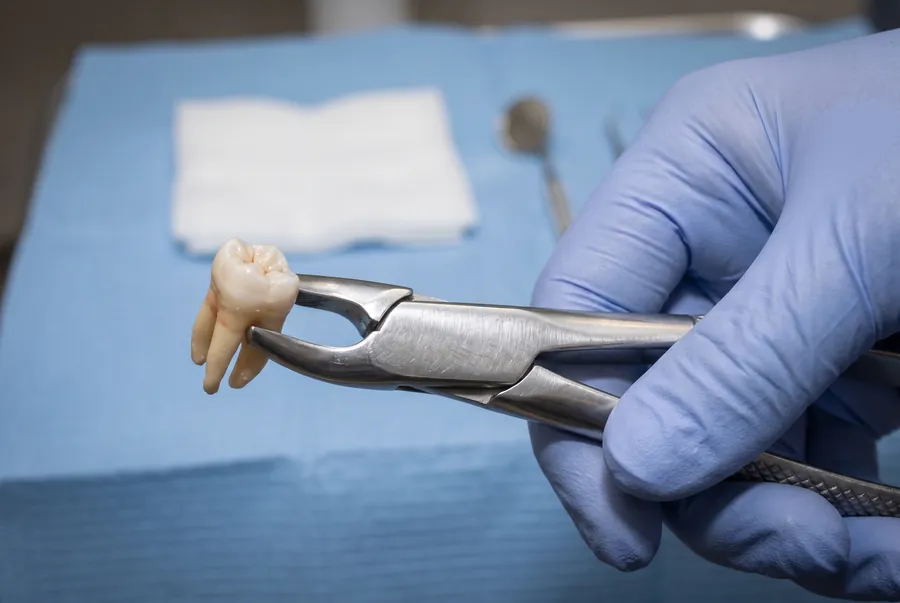
Simple and surgical extractions, including teeth your orthodontist asks to have removed.
Learn more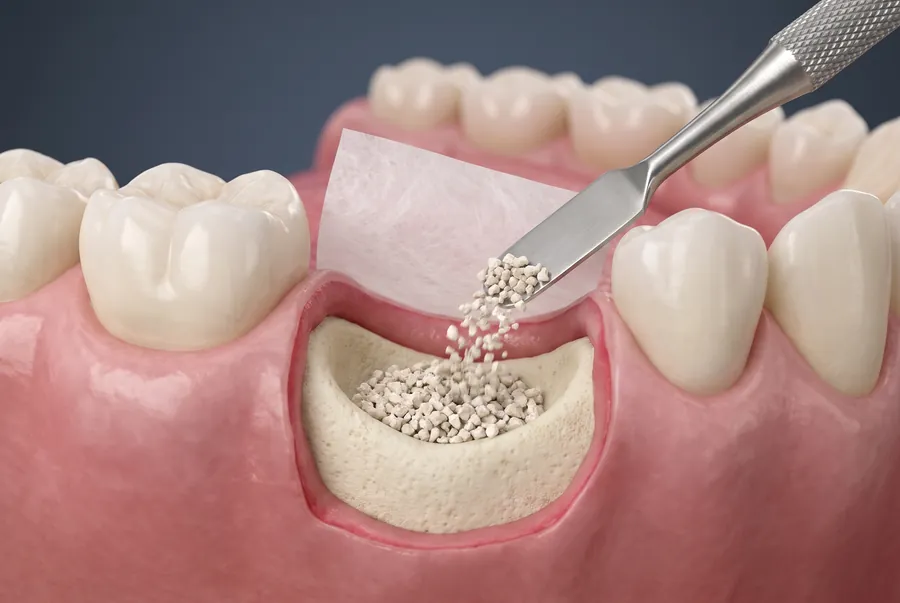
Bone grafting
Rebuilding bone where a tooth was lost so an implant has a firm base.
Learn more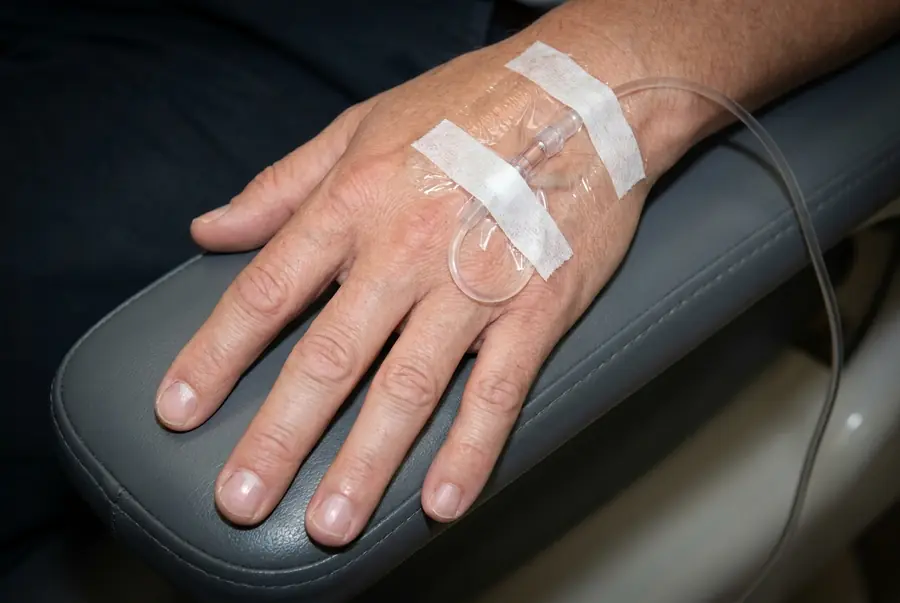
Sedation and anesthesia
Options from nitrous oxide to IV sedation, matched to you and your procedure.
Learn more
Sources for patients
- Oral, head and neck pathology AAOMS (MyOMS.org)
- Oral cancer National Institute of Dental and Craniofacial Research (NIH)
- Oral cancer MedlinePlus, U.S. National Library of Medicine
- Mouth sores ADA MouthHealthy
General information from patient education pages by the organizations above. Page updated November 6, 2026.
Ready when you are
Talk with the team today.
Ask a question, ask about your insurance or book a consultation with Dr. Abtin at the Dawsonville office.